
Enhancing Production Quality with Ceramic Fiber Board Insulation Solutions
Jul 24,2026
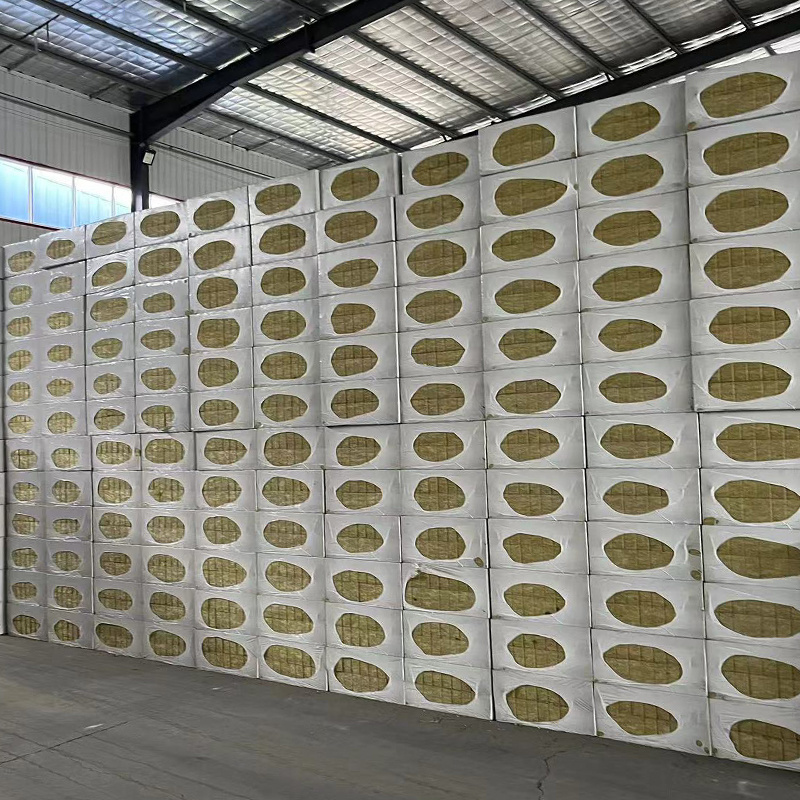
Enhancing Production Quality with Ceramic Fiber Board Insulation Solutions
Introduction to Ceramic Fiber Board Insulation
In the competitive landscape of manufacturing, ensuring optimal production quality is paramount. One of the most effective ways to achieve this is through advanced insulation solutions. **Ceramic fiber board insulation** has emerged as a game-changer for industries such as glass and ceramics manufacturing. In this article, we delve into how ceramic fiber boards enhance production quality, focusing on their properties, benefits, applications, and more.
Understanding Ceramic Fiber Board Insulation
Ceramic fiber boards are made from high-purity alumina and silica fibers. They are light, flexible, and exhibit excellent thermal stability. Their composition allows them to endure high temperatures, making them ideal for insulation in various manufacturing processes, especially in glass and ceramics industries.
Properties of Ceramic Fiber Board
The effectiveness of ceramic fiber boards lies in their unique properties:
1. **High Thermal Resistance**: Capable of withstanding temperatures of over 2300°F (1260°C), these boards ensure minimal heat loss during operations.
2. **Low Thermal Conductivity**: This property helps maintain a consistent temperature, essential for high-quality production.
3. **Chemical Resistance**: Resistant to most chemicals, ceramic fiber boards protect equipment and enhance the lifespan of production machinery.
4. **Lightweight and Flexible**: Their lightweight nature makes them easy to handle and install, reducing labor costs and time.
Why Choose Ceramic Fiber Board Insulation?
Manufacturers are increasingly opting for ceramic fiber boards due to several compelling benefits:
- **Improved Energy Efficiency**: By minimizing heat loss, these boards significantly reduce energy costs.
- **Enhanced Safety Standards**: The non-combustible nature of ceramic fibers contributes to safer working environments.
- **Noise Reduction**: Ceramic fiber boards also act as sound insulators, which can be crucial in maintaining a conducive working environment.
- **Sustainability**: With growing concerns about the environment, ceramic fiber boards are a sustainable choice, as they are often made from recyclable materials.
Applications of Ceramic Fiber Board Insulation in Manufacturing
Ceramic fiber boards are versatile and can be used across various sectors. Here are some key applications:
1. Glass Manufacturing
In glass production, maintaining precise temperature control is vital. Ceramic fiber boards provide the necessary insulation for furnaces and tanks, ensuring consistent quality in the final product.
2. Ceramics Processing
Ceramic fiber insulation is crucial in kilns used for firing ceramic products. It helps achieve uniform temperature distribution, which is essential for the proper formation of ceramic materials.
3. Metal Processing
In industries involving metalworking, ceramic fiber boards are used to insulate melting furnaces and other high-temperature equipment. Their thermal properties help maintain efficiency and reduce energy consumption.
4. Petrochemical Industry
Ceramic fiber board insulation plays a critical role in maintaining the thermal integrity of reactors and pipelines in the petrochemical sector, ensuring safety and efficiency.
Innovations in Ceramic Fiber Board Technology
As technology advances, so does the manufacturing of ceramic fiber boards. Recent innovations include:
1. Enhanced Fiber Composition
Developments in fiber technology have led to more robust and durable boards that can withstand even higher temperatures while maintaining performance.
2. Customizable Solutions
Manufacturers now offer customizable ceramic fiber board solutions tailored to specific needs, enhancing their applicability across various industries.
3. Eco-Friendly Production Processes
New production methods focus on sustainability, reducing the environmental footprint associated with traditional insulation materials.
Installing Ceramic Fiber Board Insulation: Best Practices
Proper installation of ceramic fiber boards is crucial to reap their benefits fully. Here are some best practices to consider:
1. Surface Preparation
Ensure that the surfaces where the boards will be installed are clean, dry, and free from contaminants. This step is essential for achieving good adhesion and insulation performance.
2. Cutting and Shaping
Use appropriate tools to cut the boards to the desired size and shape. Precision in cutting will prevent gaps that can compromise insulation efficiency.
3. Securing the Boards
Use high-temperature adhesive or mechanical fasteners to secure the boards in place. This ensures stability and prevents shifting during operation.
4. Sealing and Finishing
Seal the joints between boards with high-temperature sealants to eliminate any potential heat loss.
Cost-Effectiveness of Ceramic Fiber Board Insulation
While the initial investment in ceramic fiber board insulation may be higher than traditional insulation materials, the long-term savings on energy costs, reduced maintenance, and improved production quality justify the expense. Businesses looking to enhance their bottom line should consider the **return on investment (ROI)** provided by these superior insulation solutions.
Addressing Common Concerns About Ceramic Fiber Board Insulation
As with any product, potential users may have concerns regarding ceramic fiber board insulation. Let’s address some common queries.
1. Are Ceramic Fiber Boards Safe?
Yes, ceramic fiber boards are safe when handled properly. However, it’s essential to follow safety guidelines during installation to minimize dust exposure.
2. How Long Do Ceramic Fiber Boards Last?
With proper installation and maintenance, ceramic fiber boards can last for many years, offering long-term benefits.
3. Can Ceramic Fiber Boards Be Recycled?
Many ceramic fiber boards are recyclable, making them an eco-friendly choice for manufacturers focused on sustainability.
4. What is the Temperature Range for Ceramic Fiber Boards?
Ceramic fiber boards can typically withstand temperatures up to 2300°F (1260°C), making them suitable for various high-temperature applications.
5. How Do Ceramic Fiber Boards Compare to Other Insulation Materials?
Ceramic fiber boards outperform many traditional insulation materials in terms of thermal resistance, energy efficiency, and safety.
Conclusion
In summary, ceramic fiber board insulation solutions present a sophisticated approach to enhancing production quality across various manufacturing sectors. Their remarkable properties, applications, and recent technological advancements make them a preferred choice for industries aiming at higher efficiency and safety standards. By investing in ceramic fiber boards, manufacturers can ensure improved energy management, enhanced product quality, and a sustainable future. Embracing these solutions is not just a trend but a strategic move toward optimizing operations and staying competitive in an ever-evolving market.
Contact Us
Company:Sunjoy Technology Co., Ltd.
General Manager: White Eric
Email: admin@sunjoy-rockwool.com
WhatsApp: +86 15202244515 +86 13602124815
Tel: +86 4009950775
Address: Room1701,Jin Fulin Building, Jinnan District,Tianjin,China

Follow us

%20technology%20Co.%20%2C%20Ltd.%20Contact%20Us%20Sunjoy%20(Tianjin)%20technology%20Co.%20%2C%20Ltd.&media=https%3A%2F%2Fomo-oss-image.thefastimg.com%2Fportal-saas%2Fpg2024111514053781446%2Fcms%2Fimage%2F6eb656d1-a976-49d2-9bb6-608be5f2b062.png "pinterest")
CONTACT US
Company:Sunjoy Technology Co., Ltd.
Email: info@sunjoy-rockwool.com
WhatsApp: +86 15122861822
Tel: +86 4009950775
Factory Address:
Factory in Hebei: Dacheng Langfang City,Hebei Province,China.
Factory in YunNan: Yanfang Township,Zhanyi District,Qujing City,Yunnan Province,China.
Factory in JiangXi: Matou Town,Ruichang City,Jiujiang,Jiangxi Province.
Factory in XinJiang: Hutubi County,Changji Hui Autonomous Prefecture, Xinjiang Uygur Autonomous Region,China.