
Glass Wool Board Myths Debunked: What You Need to Know
Dec 08,2025
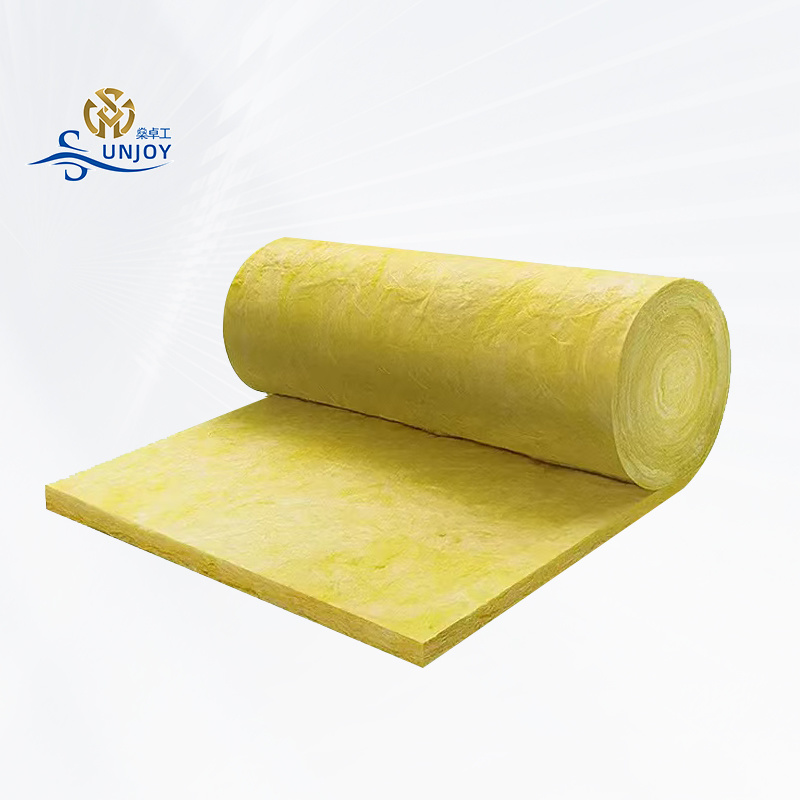
Glass Wool Board Myths Debunked: What You Need to Know
Table of Contents
- Introduction to Glass Wool Boards
- Myth 1: Glass Wool Boards are Dangerous to Use
- Myth 2: Glass Wool Boards are Only for Insulation
- Myth 3: Glass Wool Boards are Expensive
- Myth 4: Glass Wool Boards Cause Health Problems
- Myth 5: Glass Wool Boards are Not Environmentally Friendly
- Benefits of Glass Wool Boards in Construction
- Proper Installation and Maintenance
- Frequently Asked Questions
- Conclusion
Introduction to Glass Wool Boards
Glass wool boards, made from recycled glass fibers, are widely used in construction and decoration for their exceptional thermal and acoustic insulation properties. They play a crucial role in energy efficiency and comfort in residential and commercial buildings. Despite their advantages, several misconceptions surrounding glass wool boards persist. This article aims to debunk those myths and equip you with the factual information necessary to make informed decisions regarding their use.
Myth 1: Glass Wool Boards are Dangerous to Use
One of the most pervasive myths is that glass wool boards pose safety risks to users and installers. **In reality, glass wool boards are safe when handled properly.** While the fibers can irritate the skin and respiratory system, proper safety measures, such as wearing protective clothing and masks during installation, can mitigate these risks. Furthermore, manufacturers often treat glass wool boards to reduce fiber release, enhancing their safety profile.
Understanding the Safety Standards
Glass wool boards comply with various safety standards, including fire safety regulations. They are non-combustible and contribute to fire resistance in building materials. Therefore, using high-quality glass wool boards can significantly enhance the safety of your construction project.
Myth 2: Glass Wool Boards are Only for Insulation
Another common misconception is that glass wool boards are limited to insulation applications. While insulation is a primary function, these boards also offer soundproofing benefits. **Their dense structure effectively absorbs sound waves, making them ideal for use in studios, theaters, and residential spaces where noise reduction is crucial.**
Diverse Applications of Glass Wool Boards
Glass wool boards are versatile and can be used in various applications, including:
- Ceiling systems for enhanced acoustics
- Wall partitions that provide sound and thermal insulation
- HVAC systems to maintain temperature control
Their adaptability makes them a preferred choice for architects and builders who seek multifunctional materials.
Myth 3: Glass Wool Boards are Expensive
The perception that glass wool boards are costly can deter potential users. However, when considering the long-term benefits, such as energy savings and durability, they are a cost-effective choice. **The initial investment can lead to significant savings over time due to lower energy bills and reduced maintenance costs.**
Cost-Benefit Analysis
To truly appreciate the value of glass wool boards, consider the following:
- Durability: They can last for decades with proper care.
- Energy Efficiency: These boards help maintain comfortable temperatures, reducing heating and cooling costs.
- Noise Reduction: By minimizing noise pollution, they can enhance the quality of life in residential and commercial spaces.
Myth 4: Glass Wool Boards Cause Health Problems
Health concerns regarding glass wool boards often stem from misinformation. When installed and handled correctly, **the health risks associated with glass wool are minimal.** Studies have shown that exposure to glass wool fibers, when proper safety precautions are taken, does not lead to long-term health issues.
Proper Handling and Installation
To ensure safety during installation, it is vital to:
- Use protective gear, including gloves, masks, and goggles.
- Follow manufacturer guidelines for handling and installation.
- Ensure proper ventilation in the installation area.
These steps help eliminate any potential health risks and promote a safe working environment.
Myth 5: Glass Wool Boards are Not Environmentally Friendly
The myth that glass wool boards harm the environment arises from concerns about their production and disposal. However, glass wool boards are made from up to **80% recycled glass** and are fully recyclable at the end of their life cycle. **This aspect underscores their commitment to sustainability and environmental protection.**
Eco-Friendly Production Processes
Many manufacturers are adopting eco-friendly production methods, further reducing the environmental impact of glass wool boards. For instance:
- Utilizing renewable energy sources during manufacturing
- Implementing waste-reduction strategies
- Ensuring that products meet stringent environmental standards
Choosing glass wool boards aligns with greener building practices and promotes sustainability in construction.
Benefits of Glass Wool Boards in Construction
In addition to debunking myths, understanding the benefits of glass wool boards is crucial for decision-making. The following advantages highlight why glass wool boards are an excellent addition to construction projects:
1. Superior Thermal Insulation
Glass wool boards provide outstanding thermal resistance, helping maintain a consistent indoor climate. This property is particularly beneficial in environments with extreme temperature fluctuations, as it can lead to reduced energy consumption and lower utility bills.
2. Acoustic Properties
As mentioned earlier, their sound-absorbing capabilities make glass wool boards ideal for noise-sensitive areas. Whether in homes, offices, or specialized facilities, they can significantly improve acoustic comfort.
3. Fire Resistance
Glass wool boards are inherently fire-resistant, making them a safe choice for various applications. They do not ignite easily and can help contain fires, providing valuable time for evacuation and response.
4. Lightweight and Easy to Install
The lightweight nature of glass wool boards simplifies installation, allowing for quicker project completion. Their ease of handling also reduces labor costs, making them a practical choice for contractors.
5. Cost-Effective Long-Term Investment
By choosing glass wool boards, you invest in a product that pays off over time through energy savings and enhanced property value. Their durability ensures that you won’t have to replace them frequently, contributing to overall cost savings.
Proper Installation and Maintenance
To maximize the benefits of glass wool boards, following proper installation and maintenance procedures is essential. This section outlines key steps for achieving optimal performance.
Installation Guidelines
1. **Prepare the Area:** Ensure that the surfaces are clean and dry before installation. Remove any debris that may affect adhesion.
2. **Measure Accurately:** Precise measurements are crucial for cutting glass wool boards to fit correctly, preventing gaps that could compromise insulation.
3. **Use Appropriate Adhesives:** Choose adhesives specifically recommended by the manufacturer to secure the boards effectively.
4. **Seal Joints:** Use tape or additional adhesive to seal joints, improving insulation performance and preventing air leaks.
Maintenance Tips
1. **Inspect Regularly:** Periodic checks for moisture or damage can help prevent long-term issues.
2. **Clean Carefully:** Use a vacuum or gentle brush to remove dust and debris from the surface without disturbing the boards.
3. **Monitor Indoor Air Quality:** Maintaining proper ventilation helps ensure a healthy indoor environment.
Frequently Asked Questions
1. What are glass wool boards made of?
Glass wool boards are primarily composed of recycled glass fibers, which are spun into fine strands and bonded together to create a rigid board.
2. Are glass wool boards safe for residential use?
Yes, glass wool boards are safe for residential use when handled and installed properly, following safety guidelines.
3. How do glass wool boards compare to other insulation materials?
Glass wool boards offer excellent thermal and acoustic properties, are non-combustible, and are often more cost-effective than some other insulation materials.
4. Can glass wool boards be used in humid environments?
Yes, glass wool boards are resistant to moisture and mold growth, making them suitable for use in humid areas, provided they are installed correctly.
5. How do I dispose of glass wool boards at the end of their life cycle?
Glass wool boards are recyclable. Check with local recycling facilities for proper disposal methods to minimize environmental impact.
Conclusion
In conclusion, glass wool boards are a versatile, safe, and environmentally friendly option for insulation and soundproofing in construction. By debunking common myths, we have highlighted their true benefits and applications, demonstrating their value as a building material. When installed and maintained correctly, glass wool boards can lead to energy savings, enhanced comfort, and improved safety in any space. As you consider your next construction project, remember the facts and embrace the advantages that glass wool boards bring to the table.
Contact Us
Company:Sunjoy Technology Co., Ltd.
General Manager: White Eric
Email: admin@sunjoy-rockwool.com
WhatsApp: +86 15202244515 +86 13602124815
Tel: +86 4009950775
Address: Room1701,Jin Fulin Building, Jinnan District,Tianjin,China

Follow us


CONTACT US
Company:Sunjoy Technology Co., Ltd.
Email: info@sunjoy-rockwool.com
WhatsApp: +86 15122861822
Tel: +86 4009950775
Factory Address:
Factory in Hebei: Dacheng Langfang City,Hebei Province,China.
Factory in YunNan: Yanfang Township,Zhanyi District,Qujing City,Yunnan Province,China.
Factory in JiangXi: Matou Town,Ruichang City,Jiujiang,Jiangxi Province.
Factory in XinJiang: Hutubi County,Changji Hui Autonomous Prefecture, Xinjiang Uygur Autonomous Region,China.