
How Ceramic Fiber Board Insulation Enhances Energy Efficiency in Glass Processing
Feb 02,2026
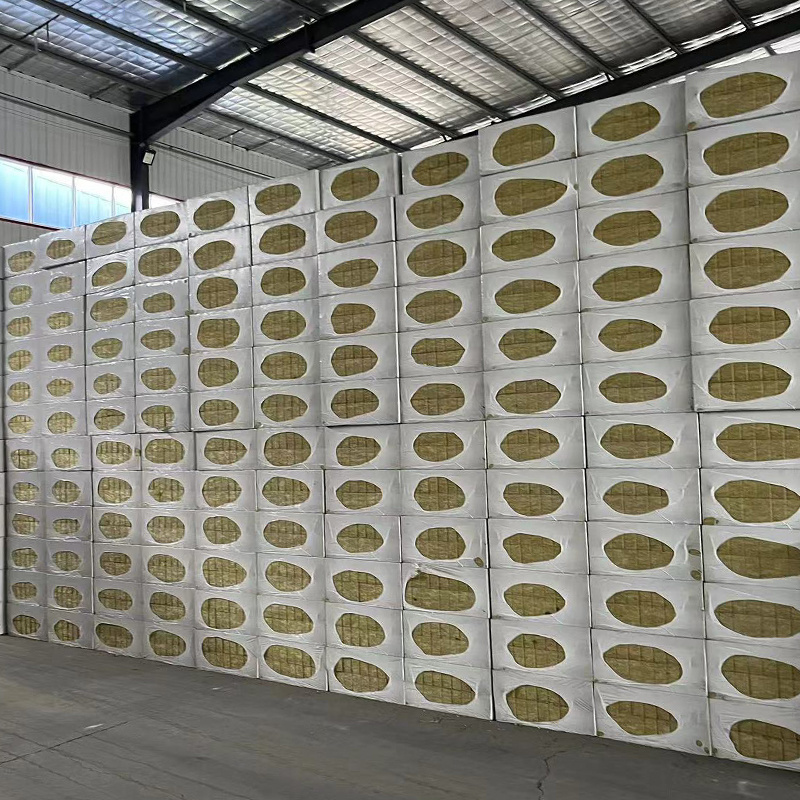
How Ceramic Fiber Board Insulation Enhances Energy Efficiency in Glass Processing
Introduction to Energy Efficiency in Glass Processing
In the fast-evolving world of glass processing, energy efficiency has become a crucial goal for manufacturers. With rising energy costs and growing environmental concerns, companies are actively seeking solutions to optimize their operations. **Ceramic fiber board insulation** has emerged as a game-changing solution, significantly improving energy efficiency while also enhancing overall productivity.
The Role of Insulation in Glass Processing
Insulation plays a vital role in maintaining optimal temperatures during glass processing. **Effective insulation** minimizes heat loss and prevents energy wastage, leading to a more efficient operation. Traditional insulation materials often fall short in performance, which is where ceramic fiber board insulation shines.
What is Ceramic Fiber Board Insulation?
Ceramic fiber board insulation is made from high-purity aluminosilicate fibers, offering exceptional thermal resistance. This lightweight yet durable material is designed to withstand extreme temperatures, making it ideal for high-heat applications in glass processing.
Key Benefits of Ceramic Fiber Board Insulation
Ceramic fiber board insulation provides numerous advantages that contribute to enhanced energy efficiency in glass processing:
1. Superior Thermal Performance
**Ceramic fiber boards** maintain their effectiveness even at high temperatures, ensuring minimal heat loss. This results in lower energy consumption and improved furnace efficiency.
2. Lightweight and Easy to Handle
The lightweight nature of ceramic fiber board simplifies installation and handling, reducing labor costs and installation time. Companies can implement this insulation material quickly without interrupting production.
3. Enhanced Safety Standards
Ceramic fiber board insulation is non-combustible and chemically stable, promoting safer working conditions. This property reduces the risk of fire hazards and protects employees and equipment.
4. Longevity and Durability
With a longer lifespan than traditional insulation materials, ceramic fiber boards minimize the need for frequent replacements, ultimately saving costs in the long run.
5. Environmentally Friendly Option
As manufacturers increasingly prioritize sustainability, ceramic fiber board insulation stands out as an eco-friendly option. Made from abundant raw materials, it supports green initiatives and reduces the overall carbon footprint.
Applications of Ceramic Fiber Board Insulation in Glass Processing
Ceramic fiber board insulation is versatile and can be employed in various aspects of glass processing operations. Here are some common applications:
1. Furnace Linings
Ceramic fiber board insulation is commonly used as a lining material in glass melting furnaces. Its high-temperature resistance ensures optimal performance and energy retention.
2. Heat Shields
In processes involving high heat exposure, ceramic fiber boards act as effective heat shields, protecting adjacent equipment and personnel from excessive temperatures.
3. Kiln Insulation
In glass kiln operations, the use of ceramic fiber board insulation helps maintain stable processing temperatures, leading to consistent product quality.
4. Auxiliary Equipment Insulation
Ceramic fiber boards can insulate various auxiliary equipment, including piping and valves, ensuring that heat is retained where it is needed most.
Cost-Effectiveness of Ceramic Fiber Board Insulation
Investing in ceramic fiber board insulation can significantly impact the bottom line for glass processing manufacturers. Here’s how:
1. Reduced Energy Costs
By minimizing heat loss, ceramic fiber board insulation leads to lower energy consumption. This translates to reduced utility bills and improved profit margins.
2. Increased Production Efficiency
With enhanced thermal performance, manufacturers can achieve faster heating times and more consistent processing, ultimately leading to increased overall production efficiency.
3. Lower Maintenance Expenses
The durability of ceramic fiber board insulation means less frequent replacements, reducing maintenance costs and downtime.
Implementing Ceramic Fiber Board Insulation in Your Facility
For glass processing facilities considering the switch to ceramic fiber board insulation, strategic implementation is key. Here are some steps to consider:
1. Assessment of Current Insulation
Conduct a thorough assessment of existing insulation materials and identify areas where ceramic fiber board could improve performance and efficiency.
2. Consult with Experts
Engage with insulation experts to determine the best type and thickness of ceramic fiber board insulation suitable for your specific applications.
3. Plan for Installation
Create a detailed installation plan to ensure minimal disruption to ongoing operations. Proper planning is essential for a smooth transition to the new insulation system.
4. Monitor Performance
After installation, continuously monitor the performance of the ceramic fiber board insulation to ensure it meets efficiency expectations. Adjustments may be necessary based on performance data.
Long-Term Impact of Ceramic Fiber Board Insulation
The long-term benefits of ceramic fiber board insulation extend beyond immediate energy savings. Over time, facilities that implement this insulation can expect:
1. Enhanced Product Quality
Consistent processing temperatures lead to better quality glass products, reducing defects and ensuring customer satisfaction.
2. Improved Sustainability Metrics
As companies focus more on sustainability, utilizing ceramic fiber insulation contributes to lower emissions and a reduced carbon footprint, aligning with corporate social responsibility goals.
3. Competitive Edge
Manufacturers that prioritize energy efficiency through innovative insulation solutions position themselves as industry leaders, gaining a competitive edge in an increasingly eco-conscious market.
Frequently Asked Questions
1. What is the temperature range that ceramic fiber board insulation can withstand?
Ceramic fiber board insulation can typically withstand temperatures up to 2300°F (1260°C), making it suitable for high-heat applications in glass processing.
2. How does ceramic fiber board insulation compare to traditional insulation materials?
Ceramic fiber board insulation offers superior thermal performance, is lighter, and provides enhanced safety features compared to traditional insulation materials.
3. Can ceramic fiber board insulation be used in other industries?
Yes, ceramic fiber board insulation is versatile and can be used in various industries, including aerospace, automotive, and petrochemical processing.
4. Is ceramic fiber board insulation environmentally friendly?
Ceramic fiber board insulation is made from abundant raw materials and is designed to be a sustainable option, helping companies reduce their environmental impact.
5. How can I ensure the best performance from ceramic fiber board insulation?
To ensure optimal performance, conduct regular assessments, monitor temperature retention, and engage with insulation specialists for maintenance and upgrades when necessary.
Conclusion
Ceramic fiber board insulation is proving to be an invaluable asset in the glass processing industry. Its ability to enhance energy efficiency, combined with cost-saving benefits and improved safety standards, makes it a compelling choice for manufacturers seeking to optimize their operations. By adopting this innovative insulation solution, companies not only improve their bottom line but also contribute to a more sustainable future. Embracing ceramic fiber board insulation is more than just a smart business decision; it's a commitment to excellence in glass processing.
Contact Us
Company:Sunjoy Technology Co., Ltd.
General Manager: White Eric
Email: admin@sunjoy-rockwool.com
WhatsApp: +86 15202244515 +86 13602124815
Tel: +86 4009950775
Address: Room1701,Jin Fulin Building, Jinnan District,Tianjin,China

Follow us

%20technology%20Co.%20%2C%20Ltd.%20Contact%20Us%20Sunjoy%20(Tianjin)%20technology%20Co.%20%2C%20Ltd.&media=https%3A%2F%2Fomo-oss-image.thefastimg.com%2Fportal-saas%2Fpg2024111514053781446%2Fcms%2Fimage%2F6eb656d1-a976-49d2-9bb6-608be5f2b062.png "pinterest")
CONTACT US
Company:Sunjoy Technology Co., Ltd.
Email: info@sunjoy-rockwool.com
WhatsApp: +86 15122861822
Tel: +86 4009950775
Factory Address:
Factory in Hebei: Dacheng Langfang City,Hebei Province,China.
Factory in YunNan: Yanfang Township,Zhanyi District,Qujing City,Yunnan Province,China.
Factory in JiangXi: Matou Town,Ruichang City,Jiujiang,Jiangxi Province.
Factory in XinJiang: Hutubi County,Changji Hui Autonomous Prefecture, Xinjiang Uygur Autonomous Region,China.