
Designing Energy-Efficient Spaces with Glass Wool Boards: A Comprehensive Guide
Feb 16,2026
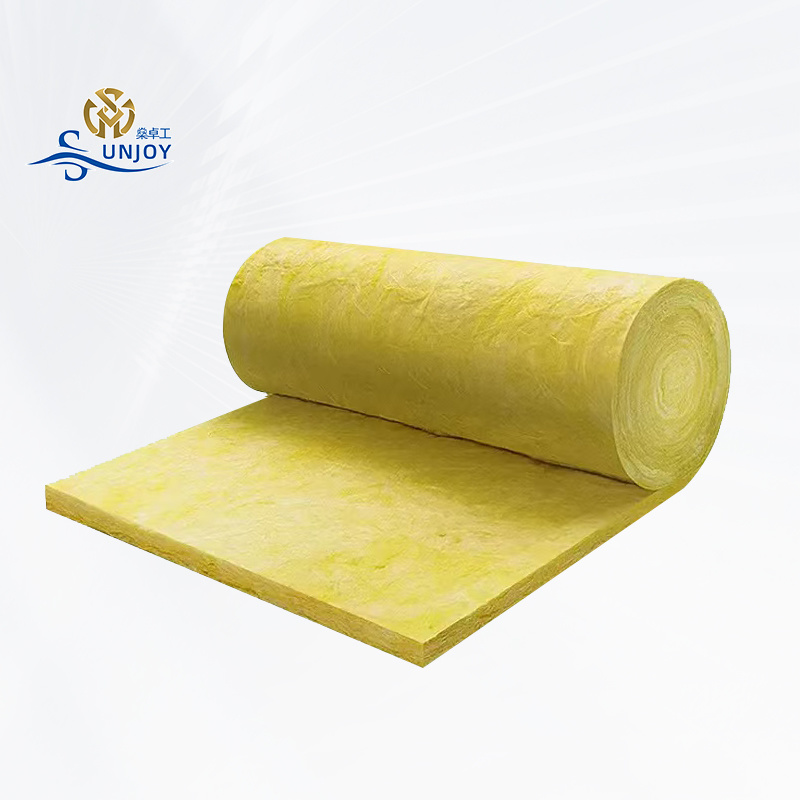
Designing Energy-Efficient Spaces with Glass Wool Boards
In today's world, the focus on sustainability and energy efficiency in architecture and interior design is more critical than ever. As we strive to minimize our carbon footprint and create healthier living environments, the materials we choose play a vital role. One such material that has gained significant attention is glass wool boards. This article delves deep into how glass wool boards can be utilized to design energy-efficient spaces, their benefits, applications, and much more.
Table of Contents
- 1. Understanding Glass Wool Boards
- 2. Advantages of Glass Wool Boards in Construction
- 3. Energy Efficiency and Sustainability
- 4. Designing with Glass Wool Boards
- 5. Applications in Residential and Commercial Spaces
- 6. Installation Techniques for Optimal Performance
- 7. Maintenance of Glass Wool Boards
- 8. Frequently Asked Questions (FAQs)
1. Understanding Glass Wool Boards
Glass wool boards are made from recycled glass that is melted and spun into fine fibers. These fibers are then bonded together to form rigid boards. The lightweight and highly versatile nature of glass wool makes it an ideal option for insulation and soundproofing applications. They are commonly used in walls, ceilings, and floors, providing exceptional thermal and acoustic insulation.
2. Advantages of Glass Wool Boards in Construction
Utilizing glass wool boards in construction offers a myriad of advantages. Here are some key benefits:
2.1 Excellent Thermal Insulation
Glass wool boards have outstanding thermal properties that help maintain comfortable temperatures in indoor spaces. By reducing heat transfer, they minimize the need for heating and cooling systems, resulting in significant energy savings.
2.2 Sound Absorption
In addition to thermal insulation, glass wool boards also provide excellent sound absorption. This makes them ideal for creating quieter environments in both residential and commercial spaces, enhancing overall comfort.
2.3 Environmentally Friendly
Manufactured from recycled materials, glass wool boards contribute to a more sustainable building industry. Their longevity and durability further reduce the need for replacement materials, promoting a circular economy.
2.4 Fire Resistance
Glass wool boards are inherently fire-resistant, making them a safe choice for various applications. They do not burn or emit toxic fumes, providing an added layer of safety in building design.
3. Energy Efficiency and Sustainability
Incorporating glass wool boards into design projects directly contributes to energy efficiency and sustainability goals. By improving insulation and reducing energy consumption, they help mitigate environmental impact and promote eco-friendly practices.
3.1 Lower Energy Bills
With enhanced thermal insulation, buildings equipped with glass wool boards require less energy for heating and cooling, leading to lower utility bills. This financial benefit is an attractive incentive for homeowners and businesses alike.
3.2 LEED Certification
Using glass wool boards in construction can contribute to achieving LEED (Leadership in Energy and Environmental Design) certification. This internationally recognized green building standard rewards projects that focus on sustainability and energy efficiency.
4. Designing with Glass Wool Boards
When designing spaces with glass wool boards, it is essential to consider various factors to maximize their benefits. Here are some tips for effective design:
4.1 Choosing the Right Thickness
The thickness of the glass wool boards impacts their insulation performance. Selecting the appropriate thickness based on the climate and building type is crucial for achieving optimal energy efficiency.
4.2 Combining with Other Materials
Glass wool boards can be effectively combined with other building materials, such as drywall and wood, to enhance aesthetic appeal while maintaining energy efficiency. This versatility allows for creative design possibilities.
5. Applications in Residential and Commercial Spaces
Glass wool boards are suitable for a wide range of applications, making them a valuable asset in both residential and commercial projects.
5.1 Residential Applications
In residential constructions, glass wool boards can be used in walls, attics, and ceilings to provide thermal comfort and soundproofing. They are particularly beneficial in multi-family units, where noise reduction is essential for occupant satisfaction.
5.2 Commercial Applications
For commercial spaces, glass wool boards are often utilized in offices, schools, and hospitals. They not only improve energy efficiency but also contribute to a healthier indoor environment by regulating temperature and reducing noise levels.
6. Installation Techniques for Optimal Performance
Proper installation of glass wool boards is vital to ensure their effectiveness. Here are key installation techniques:
6.1 Preparing the Space
Before installation, it is essential to prepare the space by ensuring it is clean, dry, and free from debris. This helps create a secure fit and maximizes insulation performance.
6.2 Correct Fitting
When installing glass wool boards, ensure they fit snugly between studs or joists without gaps. Any spaces can lead to thermal bridging, negating the insulation benefits.
6.3 Sealing Joints
Use appropriate sealants to seal joints and edges where boards meet. This prevents air leakage, enhancing energy efficiency and maintaining indoor climate control.
7. Maintenance of Glass Wool Boards
Glass wool boards require minimal maintenance, but ensuring their longevity involves a few simple steps:
7.1 Regular Inspections
Conduct regular inspections to ensure that the insulation remains intact and free from moisture damage. Address any signs of wear promptly to avoid compromising performance.
7.2 Keeping Surfaces Clean
Keep the exposed surfaces of glass wool boards clean and free from obstructions. This allows them to perform optimally without interference from dust or debris.
8. Frequently Asked Questions (FAQs)
8.1 What are glass wool boards made from?
Glass wool boards are primarily made from recycled glass that is melted and spun into fine fibers, which are then formed into rigid boards.
8.2 How do glass wool boards improve energy efficiency?
They provide excellent thermal insulation, reducing heat transfer in and out of buildings, which leads to lower energy consumption for heating and cooling.
8.3 Are glass wool boards safe for indoor use?
Yes, they are non-toxic and fire-resistant, making them a safe choice for both residential and commercial applications.
8.4 Can glass wool boards be used in humid environments?
While glass wool boards are moisture resistant, they should be used with appropriate barriers in extremely humid environments to prevent moisture absorption.
8.5 What is the lifespan of glass wool boards?
With proper installation and maintenance, glass wool boards can last for several decades without significant degradation in performance.
Conclusion
Designing energy-efficient spaces with glass wool boards is a strategic choice for sustainable architecture and interior design. The unique properties of glass wool, including excellent thermal insulation, sound absorption, and environmentally friendly characteristics, make it an ideal material for various applications. By understanding how to effectively incorporate glass wool boards into your projects, you can create comfortable, energy-efficient, and aesthetically pleasing spaces that contribute to a greener future. Whether you are a homeowner, architect, or contractor, embracing glass wool boards in your designs can lead to significant benefits that extend beyond energy savings, fostering a healthier living environment for all.
Contact Us
Company:Sunjoy Technology Co., Ltd.
General Manager: White Eric
Email: admin@sunjoy-rockwool.com
WhatsApp: +86 15202244515 +86 13602124815
Tel: +86 4009950775
Address: Room1701,Jin Fulin Building, Jinnan District,Tianjin,China

Follow us

%20technology%20Co.%20%2C%20Ltd.%20Contact%20Us%20Sunjoy%20(Tianjin)%20technology%20Co.%20%2C%20Ltd.&media=https%3A%2F%2Fomo-oss-image.thefastimg.com%2Fportal-saas%2Fpg2024111514053781446%2Fcms%2Fimage%2F6eb656d1-a976-49d2-9bb6-608be5f2b062.png "pinterest")
CONTACT US
Company:Sunjoy Technology Co., Ltd.
Email: info@sunjoy-rockwool.com
WhatsApp: +86 15122861822
Tel: +86 4009950775
Factory Address:
Factory in Hebei: Dacheng Langfang City,Hebei Province,China.
Factory in YunNan: Yanfang Township,Zhanyi District,Qujing City,Yunnan Province,China.
Factory in JiangXi: Matou Town,Ruichang City,Jiujiang,Jiangxi Province.
Factory in XinJiang: Hutubi County,Changji Hui Autonomous Prefecture, Xinjiang Uygur Autonomous Region,China.