
The Transformative Impact of XPS Sandwich Panels on Contemporary Interior Design
May 13,2026
The Transformative Impact of XPS Sandwich Panels on Contemporary Interior Design
In recent years, XPS (Extruded Polystyrene) sandwich panels have emerged as a pivotal material in the realm of interior design. With their unique blend of insulation, durability, and aesthetic appeal, these panels are reshaping how we approach both residential and commercial spaces. This article delves deep into the role of XPS sandwich panels, exploring their benefits, applications, and future in modern interior design.
Table of Contents
- Understanding XPS Sandwich Panels
- Benefits of XPS Sandwich Panels in Interior Design
- Applications of XPS Sandwich Panels in Modern Spaces
- Current Design Trends Utilizing XPS Panels
- Sustainability and Environmental Impact of XPS Panels
- Installation and Maintenance of XPS Sandwich Panels
- The Future of XPS Sandwich Panels in Interior Design
- Frequently Asked Questions
Understanding XPS Sandwich Panels
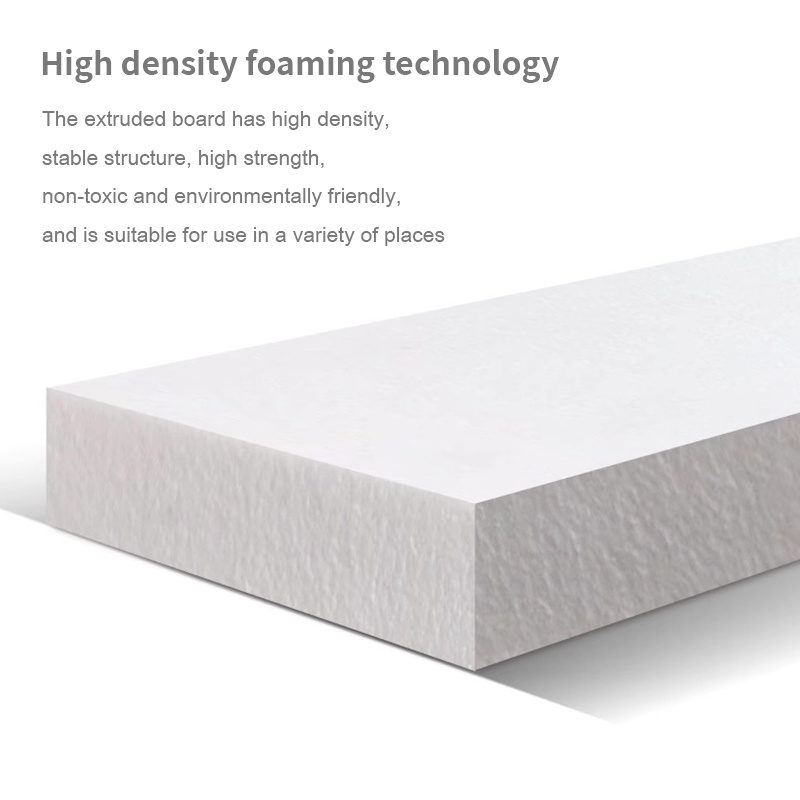
XPS sandwich panels consist of a core made of extruded polystyrene foam, sandwiched between two layers of structural material, typically metal or gypsum. This structure not only provides excellent thermal insulation but also ensures high strength and stability. The lightweight nature of XPS panels makes them easy to handle and install, making them an attractive option for various interior applications.
Composition and Structure of XPS Sandwich Panels
The core of XPS panels is produced through a continuous extrusion process, which results in a closed-cell structure that is resistant to moisture and provides exceptional thermal performance. The outer layers are available in various finishes, allowing designers to select textures and colors that align with their vision for the space.
Key Features
Some of the key features of XPS sandwich panels include:
- Thermal Insulation: XPS panels offer superior thermal insulation, making them ideal for energy-efficient designs.
- Moisture Resistance: Their closed-cell structure prevents water absorption, reducing the risk of mold and structural damage.
- Lightweight Design: Being lightweight makes installation easier and quicker, reducing labor costs.
Benefits of XPS Sandwich Panels in Interior Design
Integrating XPS sandwich panels into modern interior design comes with numerous advantages. These benefits contribute to the growing popularity of XPS panels in both residential and commercial projects.
Energy Efficiency
One of the most significant advantages of XPS sandwich panels is their energy efficiency. With rising energy costs and increased awareness of environmental impact, architects and designers are focusing on materials that help maintain temperature and reduce energy consumption. XPS panels enhance the insulation of buildings, helping to keep them warmer in winter and cooler in summer, ultimately leading to lower energy bills.
Design Flexibility
XPS panels offer immense design flexibility. Available in various colors, finishes, and sizes, they can be customized to meet the aesthetic needs of any project. This versatility allows designers to create unique spaces that reflect their vision while maintaining functionality.
Quick Installation
Time is often of the essence in construction and renovation projects. The lightweight nature of XPS panels allows for quick and easy installation, significantly reducing project timelines. This efficiency is particularly beneficial in commercial settings where downtime can lead to substantial financial losses.
Applications of XPS Sandwich Panels in Modern Spaces
XPS sandwich panels have a wide range of applications, making them suitable for various design contexts. Their adaptability allows them to be used in different spaces, from residential homes to large commercial buildings.
Residential Applications
In residential spaces, XPS sandwich panels can be used in:
- Partitions: Create stylish and functional room divisions that are lightweight and easy to modify.
- Ceilings: Install decorative ceilings that enhance the overall aesthetics of a room while providing insulation.
- Wall Cladding: Use XPS panels for wall coverings that offer both thermal and sound insulation.
Commercial Applications
In commercial settings, XPS panels are employed in:
- Retail Spaces: Design engaging and visually appealing store interiors that also provide energy efficiency.
- Office Partitions: Create modern, flexible work environments that can adapt to changing business needs.
- Exhibitions and Events: Use lightweight panels to construct temporary structures that stand out and meet specific design requirements.
Current Design Trends Utilizing XPS Panels
As XPS sandwich panels become more mainstream in interior design, several trends have emerged, showcasing their potential to elevate spaces.
Minimalist Design
The minimalist design trend emphasizes simplicity and functional beauty. XPS panels, with their sleek lines and customizable finishes, fit seamlessly into minimalist aesthetics. They can be incorporated into walls and ceilings to create clean, uncluttered spaces.
Sustainable Design
With a growing focus on sustainability, many designers are prioritizing eco-friendly materials. XPS panels, known for their energy efficiency and long lifespan, align perfectly with sustainable design principles. Their ability to improve a building’s thermal performance contributes to lower energy usage, making them an attractive option for environmentally conscious projects.
Industrial Chic
The industrial chic trend combines raw materials with modern design elements. XPS sandwich panels can be finished to mimic industrial materials like concrete or metal, providing an urban edge to interior spaces. This aesthetic is particularly popular in lofts and converted warehouses.
Sustainability and Environmental Impact of XPS Panels
In today’s world, the environmental impact of building materials cannot be overlooked. XPS sandwich panels offer several sustainability advantages that make them a responsible choice for designers.
Energy Performance
The superior insulation properties of XPS panels help reduce a building's overall energy consumption. This reduction not only lowers utility bills but also minimizes the carbon footprint associated with heating and cooling. By incorporating XPS panels, designers contribute to more sustainable building practices.
Recyclability
Many XPS products are designed with recyclability in mind. At the end of their lifecycle, XPS panels can be recycled, further reducing waste and promoting a circular economy. Choosing materials that can be reused or repurposed is essential in contemporary design.
Installation and Maintenance of XPS Sandwich Panels
Understanding the installation and maintenance of XPS sandwich panels is crucial for maximizing their benefits and longevity.
Installation Process
Installing XPS panels is a straightforward process, typically involving the following steps:
- Preparation: Ensure the surface is clean, dry, and free from debris.
- Cutting Panels: Cut the panels to size as required for the space.
- Securing Panels: Use appropriate adhesives or fasteners to secure the panels in place.
- Finishing Touches: Apply any necessary finishing materials to achieve the desired look.
Maintenance Tips
Maintaining XPS sandwich panels is relatively simple. Regular cleaning with mild detergents and avoiding harsh chemicals will preserve their appearance. Inspecting for any signs of damage or wear periodically ensures longevity and performance.
The Future of XPS Sandwich Panels in Interior Design
As technology advances and sustainability becomes increasingly important, the future of XPS sandwich panels looks promising. Innovations in manufacturing processes and material science may lead to even more efficient and eco-friendly products.
Emerging Trends
Future design trends may see XPS panels integrated with smart technologies, enabling real-time monitoring of energy efficiency and environmental impact. This evolution will further enhance their appeal in modern interior design, as architects and designers seek to create intelligent and responsive spaces.
Frequently Asked Questions
1. What are the advantages of using XPS sandwich panels over traditional materials?
XPS sandwich panels offer superior insulation, moisture resistance, and lightweight properties, making them easier and quicker to install compared to traditional materials.
2. Can XPS sandwich panels be used in outdoor applications?
While primarily used for interior applications, certain XPS panels are designed for external use, providing insulation and protection against weather elements.
3. Are XPS sandwich panels environmentally friendly?
Yes, XPS panels contribute to energy efficiency and can be recycled at the end of their lifecycle, reducing waste and supporting sustainable practices.
4. How do I clean and maintain XPS sandwich panels?
Regular cleaning with mild detergents and periodic inspections for damages are recommended to maintain the appearance and integrity of XPS panels.
5. What design styles can incorporate XPS sandwich panels?
XPS panels are versatile and can fit into various design styles, including minimalist, industrial, and sustainable aesthetics, allowing for creative applications in any space.
Conclusion
XPS sandwich panels are undeniably transforming the landscape of modern interior design. Their unique properties, flexibility, and sustainable benefits make them an invaluable asset for architects and designers. As we look ahead, the continued evolution of XPS technology and its integration into design trends promises to redefine how we create and experience interior spaces. By embracing XPS panels, designers are not just enhancing aesthetics but are also contributing to a more sustainable and efficient future in building design.
Contact Us
Company:Sunjoy Technology Co., Ltd.
General Manager: White Eric
Email: admin@sunjoy-rockwool.com
WhatsApp: +86 15202244515 +86 13602124815
Tel: +86 4009950775
Address: Room1701,Jin Fulin Building, Jinnan District,Tianjin,China

Follow us


CONTACT US
Company:Sunjoy Technology Co., Ltd.
Email: info@sunjoy-rockwool.com
WhatsApp: +86 15122861822
Tel: +86 4009950775
Factory Address:
Factory in Hebei: Dacheng Langfang City,Hebei Province,China.
Factory in YunNan: Yanfang Township,Zhanyi District,Qujing City,Yunnan Province,China.
Factory in JiangXi: Matou Town,Ruichang City,Jiujiang,Jiangxi Province.
Factory in XinJiang: Hutubi County,Changji Hui Autonomous Prefecture, Xinjiang Uygur Autonomous Region,China.