
How Glass Wool Board Effectively Mitigates Noise Pollution in Urban Environments
Jun 30,2026
Understanding Noise Pollution in Urban Areas
Urban environments are often synonymous with noise pollution. From the constant hum of traffic to construction sounds, urban dwellers frequently find themselves battling a noisy atmosphere that can detract from their quality of life. In this article, we explore how glass wool boards serve as a critical solution for minimizing noise pollution in these settings.
What is Noise Pollution?
Noise pollution refers to unwanted or harmful sounds that disrupt the natural environment and human activities. Common sources include traffic, public transport, industrial activities, and construction sites. The impact of noise pollution extends beyond mere annoyance; it can lead to serious health issues, including stress, sleep disturbances, and even cardiovascular diseases.
The Health Implications of Noise Pollution
Prolonged exposure to high noise levels can adversely affect physical and mental well-being. Studies indicate that chronic noise exposure can increase stress levels, disrupt sleep patterns, and diminish overall life satisfaction. In urban settings, where such conditions are prevalent, addressing noise pollution becomes essential.
The Role of Building Materials in Noise Reduction
Building materials play a crucial role in mitigating noise pollution. Various insulation materials can absorb, reflect, or dampen sound waves. Among these, **glass wool boards** have emerged as a highly effective option for soundproofing in urban construction.
What are Glass Wool Boards?
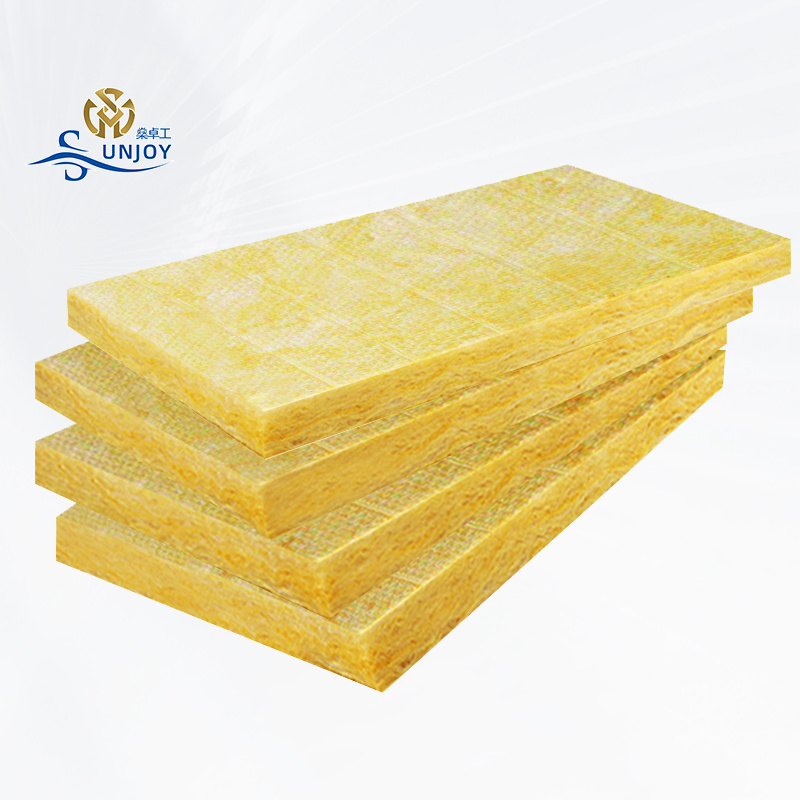
Glass wool boards are made from fine strands of glass, which are woven together to create a mat that has excellent thermal and acoustic insulation properties. This material is lightweight, non-combustible, and resilient, making it a popular choice for both commercial and residential buildings.
Key Properties of Glass Wool Boards
- Acoustic Insulation: Glass wool boards excel in sound absorption, making them ideal for use in noisy environments.
- Thermal Insulation: Besides noise reduction, they provide excellent thermal insulation, contributing to energy efficiency.
- Fire Resistance: The non-combustible nature of glass wool makes it a safe building material.
- Eco-Friendly: Made from recycled glass, glass wool boards are a sustainable option for modern construction.
How Glass Wool Boards Reduce Noise Pollution
Glass wool boards significantly reduce noise pollution through a combination of absorption, reflection, and sound dampening. Here’s how these processes work:
Sound Absorption Mechanism
The fibrous structure of glass wool boards traps sound waves, converting sound energy into small amounts of heat. This absorption is particularly effective across a wide range of frequencies, making glass wool suitable for various applications, including walls, ceilings, and floors.
Frequency Range and Sound Absorption
Effective noise control requires addressing a variety of frequencies. Glass wool boards can absorb mid to high frequencies well, which are common in urban noise pollution scenarios. This quality makes them an ideal choice for use in apartments, offices, and public spaces.
Installation Techniques for Maximum Effectiveness
Proper installation of glass wool boards is crucial for achieving optimal noise reduction. Here are some effective installation methods:
- Wall Insulation: Installing glass wool boards within wall cavities can significantly reduce sound transmission between rooms.
- Ceiling Applications: Applying glass wool boards to ceilings helps to decrease noise from upper floors and external sources.
- Flooring Solutions: Using glass wool boards in flooring systems helps to dampen impact noises, such as footsteps.
Applications of Glass Wool Board in Urban Settings
Glass wool boards find extensive applications in various urban structures, providing both acoustic and thermal benefits.
Residential Buildings
In residential construction, glass wool boards are used in walls and ceilings to create quiet living spaces. Homeowners can enjoy a peaceful environment, away from the noise of city life.
Commercial Properties
Office buildings, hotels, and restaurants utilize glass wool boards to create a serene atmosphere conducive to work and relaxation. Noise reduction enhances employee productivity and guest experience.
Public Spaces and Transportation Hubs
In public areas such as schools, hospitals, and airports, glass wool can help manage noise levels, providing a quieter experience for all. This is especially important in areas with high foot traffic and activity.
Benefits of Using Glass Wool for Noise Mitigation
The advantages of incorporating glass wool boards for noise reduction are manifold:
Cost-Effectiveness
Despite their high performance, glass wool boards are relatively inexpensive compared to other soundproofing materials. This cost-effectiveness makes them a popular choice for builders and architects.
Easy Installation and Versatility
Glass wool boards are easy to handle and install, making them a versatile choice for various construction projects. Their adaptability allows them to be used in both new builds and renovations.
Improved Quality of Life
By effectively reducing noise pollution, glass wool boards contribute to a higher quality of life for urban inhabitants. Less noise leads to better sleep, lower stress levels, and enhanced overall well-being.
Environmental Considerations
As sustainability becomes increasingly important, glass wool boards stand out as an eco-friendly option. Made from recycled materials, their use in construction aligns with green building practices.
Recyclability and Lifespan
Glass wool is fully recyclable, which minimizes environmental impact. Additionally, its durability ensures that it maintains its performance over time, offering a long-term solution to noise pollution.
Frequently Asked Questions (FAQs)
1. How effective are glass wool boards in reducing noise levels?
Glass wool boards are highly effective, particularly for mid to high-frequency sounds, making them suitable for urban environments.
2. Can glass wool boards be used in both residential and commercial constructions?
Yes, glass wool boards are versatile and can be used in various building types, including residential, commercial, and public spaces.
3. Are glass wool boards safe to use?
Absolutely. Glass wool boards are non-combustible and do not emit harmful substances, making them a safe choice for insulation.
4. How long do glass wool boards last?
With proper installation, glass wool boards can maintain their effectiveness for many years, providing long-term noise reduction.
5. Is professional installation required for glass wool boards?
While DIY installation is possible, professional installation ensures optimal performance and compliance with building codes.
Conclusion
Glass wool boards represent a formidable solution for combating noise pollution in urban areas. Their superior acoustic insulation properties, eco-friendly composition, and cost-effectiveness make them an ideal choice for a variety of applications. As cities continue to grow and noise levels rise, incorporating glass wool boards into building practices can significantly enhance the quality of life for urban residents. By choosing glass wool, we invest not only in better living conditions but also in a sustainable future for our cities.
PREVIOUS:
Contact Us
Company:Sunjoy Technology Co., Ltd.
General Manager: White Eric
Email: admin@sunjoy-rockwool.com
WhatsApp: +86 15202244515 +86 13602124815
Tel: +86 4009950775
Address: Room1701,Jin Fulin Building, Jinnan District,Tianjin,China

Follow us

%20technology%20Co.%20%2C%20Ltd.%20Contact%20Us%20Sunjoy%20(Tianjin)%20technology%20Co.%20%2C%20Ltd.&media=https%3A%2F%2Fomo-oss-image.thefastimg.com%2Fportal-saas%2Fpg2024111514053781446%2Fcms%2Fimage%2F6eb656d1-a976-49d2-9bb6-608be5f2b062.png "pinterest")
CONTACT US
Company:Sunjoy Technology Co., Ltd.
Email: info@sunjoy-rockwool.com
WhatsApp: +86 15122861822
Tel: +86 4009950775
Factory Address:
Factory in Hebei: Dacheng Langfang City,Hebei Province,China.
Factory in YunNan: Yanfang Township,Zhanyi District,Qujing City,Yunnan Province,China.
Factory in JiangXi: Matou Town,Ruichang City,Jiujiang,Jiangxi Province.
Factory in XinJiang: Hutubi County,Changji Hui Autonomous Prefecture, Xinjiang Uygur Autonomous Region,China.