
XPS Sandwich Panels vs. Traditional Materials: A Comprehensive Comparative Study
Jul 06,2026
XPS Sandwich Panels vs. Traditional Materials: A Comprehensive Comparative Study
Introduction to XPS Sandwich Panels
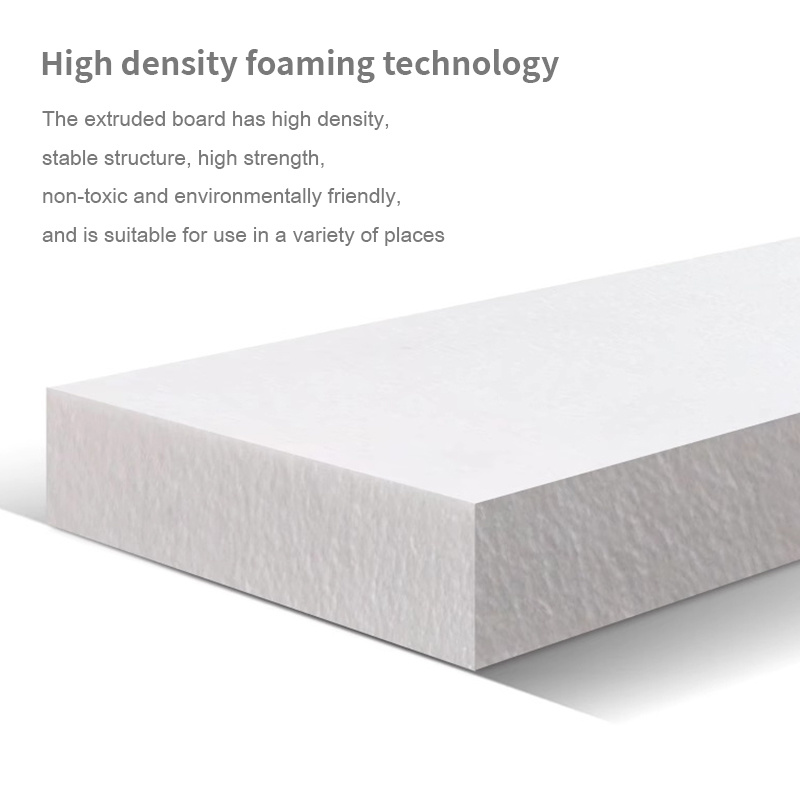
XPS (Extruded Polystyrene) sandwich panels are a revolutionary building material that has gained popularity in modern construction. Consisting of a core of rigid polystyrene foam sandwiched between two layers of structural board, these panels offer a variety of advantages over traditional materials. They are lightweight, energy-efficient, and provide excellent insulation properties, making them a preferred choice for many construction projects.
Understanding Traditional Building Materials
When discussing traditional building materials, we often refer to concrete, brick, wood, and metal. Each of these materials has its own set of characteristics, advantages, and disadvantages that have stood the test of time. However, as the construction industry evolves, the need for more efficient materials has become increasingly clear.
Key Characteristics of Traditional Materials
- Durability: Traditional materials like concrete and brick are known for their longevity and strength.
- Cost-Effectiveness: Many traditional materials are readily available and affordable.
- Thermal Mass: Materials such as concrete provide excellent thermal mass, which can help regulate indoor temperatures.
The Advantages of XPS Sandwich Panels
XPS sandwich panels present several distinct advantages over traditional materials, making them a compelling choice for modern construction needs.
1. Superior Insulation Properties
One of the most significant benefits of XPS sandwich panels is their exceptional insulation. With a low thermal conductivity, these panels can significantly reduce energy costs associated with heating and cooling buildings. This insulation capability is crucial for energy-efficient designs and aligns with modern sustainability goals.
2. Lightweight Design
Unlike traditional materials, XPS sandwich panels are remarkably lightweight. This characteristic not only simplifies transportation and handling but also reduces the overall structural load on buildings. As a result, foundations can be designed more efficiently, potentially lowering construction costs.
3. Moisture Resistance
Due to their closed-cell structure, XPS panels resist moisture absorption, which helps prevent mold and mildew growth. This feature is particularly beneficial in humid climates or applications where moisture is a concern.
4. Fast Installation
The prefabricated nature of XPS sandwich panels allows for quicker installation compared to traditional materials. This efficiency can lead to reduced labor costs and faster project completion times, making them a preferred choice for commercial and industrial buildings.
Comparative Analysis: XPS Sandwich Panels vs. Traditional Materials
When evaluating XPS sandwich panels against traditional materials, it’s essential to consider various factors, including cost, performance, and application suitability.
Cost Comparison
While the initial cost of XPS sandwich panels may be higher than traditional materials, their long-term savings on energy costs and reduced labor expenses during installation can offset this difference. Additionally, their durability means less frequent repairs and replacements, offering long-term financial benefits.
Performance Metrics
In terms of performance, XPS panels excel in thermal efficiency, lightweight construction, and moisture resistance. Traditional materials, while strong and durable, may not provide the same energy savings or installation efficiency. Each material has its place, depending on the specific needs of a project.
Applications in Construction
Both XPS sandwich panels and traditional materials have their preferred applications. For instance:
- XPS Sandwich Panels: Ideal for insulation in walls, roofs, and flooring, particularly in commercial buildings and cold storage facilities.
- Traditional Materials: More commonly used in residential construction for structural elements like walls and foundations.
Environmental Considerations
In today’s world, sustainability is a vital consideration in material selection. XPS sandwich panels are increasingly favored for their energy-efficient properties, which contribute to lower carbon footprints. However, the environmental impact of production and disposal must also be evaluated. Traditional materials like wood can be sourced sustainably, while concrete production is known for its substantial emissions.
Life Cycle Assessment
Conducting a life cycle assessment (LCA) of both XPS sandwich panels and traditional materials can provide valuable insights into their overall sustainability. Factors to consider include raw material extraction, manufacturing processes, transportation impacts, and end-of-life disposal.
FAQs about XPS Sandwich Panels and Traditional Materials
1. What are XPS sandwich panels made of?
XPS sandwich panels consist of a core of rigid extruded polystyrene foam, typically sandwiched between layers of structural board, such as metal or fiberglass.
2. Are XPS sandwich panels more energy-efficient than traditional materials?
Yes, XPS sandwich panels offer superior thermal insulation, which can lead to significant energy savings over time compared to traditional materials.
3. How do XPS sandwich panels handle moisture?
The closed-cell structure of XPS panels makes them highly resistant to moisture absorption, reducing the risk of mold and mildew growth.
4. What are the installation advantages of XPS sandwich panels?
Due to their lightweight nature and prefabrication, XPS sandwich panels can be installed more quickly and with less labor compared to traditional materials.
5. Can I use XPS sandwich panels in residential construction?
While XPS sandwich panels are commonly used in commercial construction, they can also be effectively used in residential applications, particularly for insulation in walls and roofing.
Conclusion
In conclusion, the choice between XPS sandwich panels and traditional materials largely depends on the specific requirements of a project. XPS sandwich panels offer numerous advantages, including superior insulation properties, lightweight design, and ease of installation. While traditional materials have proven durability and cost-effectiveness, the growing demand for energy efficiency and sustainability continues to highlight the benefits of XPS panels. As the construction industry advances, both materials will maintain their relevance, but understanding their distinct characteristics will empower builders and architects to make informed decisions for their projects.
Contact Us
Company:Sunjoy Technology Co., Ltd.
General Manager: White Eric
Email: admin@sunjoy-rockwool.com
WhatsApp: +86 15202244515 +86 13602124815
Tel: +86 4009950775
Address: Room1701,Jin Fulin Building, Jinnan District,Tianjin,China

Follow us

%20technology%20Co.%20%2C%20Ltd.%20Contact%20Us%20Sunjoy%20(Tianjin)%20technology%20Co.%20%2C%20Ltd.&media=https%3A%2F%2Fomo-oss-image.thefastimg.com%2Fportal-saas%2Fpg2024111514053781446%2Fcms%2Fimage%2F6eb656d1-a976-49d2-9bb6-608be5f2b062.png "pinterest")
CONTACT US
Company:Sunjoy Technology Co., Ltd.
Email: info@sunjoy-rockwool.com
WhatsApp: +86 15122861822
Tel: +86 4009950775
Factory Address:
Factory in Hebei: Dacheng Langfang City,Hebei Province,China.
Factory in YunNan: Yanfang Township,Zhanyi District,Qujing City,Yunnan Province,China.
Factory in JiangXi: Matou Town,Ruichang City,Jiujiang,Jiangxi Province.
Factory in XinJiang: Hutubi County,Changji Hui Autonomous Prefecture, Xinjiang Uygur Autonomous Region,China.