
Transform Your Space: The Versatility of XPS Sandwich Panels
Aug 05,2026
Transform Your Space: The Versatility of XPS Sandwich Panels
Table of Contents
- 1. Introduction to XPS Sandwich Panels
- 2. What Are XPS Sandwich Panels?
- 3. Benefits of Using XPS Sandwich Panels
- 4. Applications of XPS Sandwich Panels
- 5. Installation Guide for XPS Sandwich Panels
- 6. Maintenance and Care of XPS Sandwich Panels
- 7. Cost-Effectiveness of XPS Sandwich Panels
- 8. The Future of XPS Sandwich Panels in Construction
- 9. Frequently Asked Questions
- 10. Conclusion
1. Introduction to XPS Sandwich Panels
In today's innovative construction industry, **XPS sandwich panels** have emerged as a transformative solution for both new builds and renovations. These panels offer a unique combination of strength, insulation, and design flexibility, allowing architects and builders to create aesthetically pleasing and energy-efficient spaces. In this article, we delve deep into the features and benefits of XPS sandwich panels, exploring their various applications and installation techniques.
2. What Are XPS Sandwich Panels?
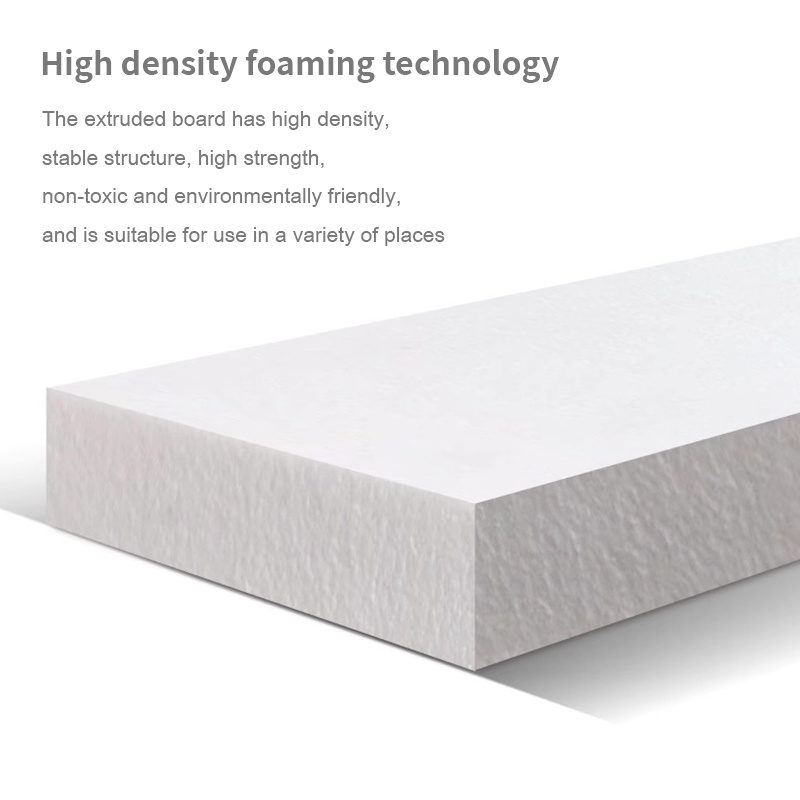
**XPS sandwich panels**, or extruded polystyrene sandwich panels, consist of two outer layers (often made from metal, plastic, or other materials) that encapsulate a rigid core of extruded polystyrene foam. This construction results in a lightweight yet robust panel that provides excellent thermal insulation and structural integrity. Typical thicknesses range from 20mm to 200mm, making them suitable for various applications.
The Composition of XPS Sandwich Panels
The key components of XPS sandwich panels include:
- **Outer Layers**: Often made from materials like galvanized steel, aluminum, or fiber-reinforced plastic, these layers provide structural support and environmental protection.
- **Insulation Core**: The core is made of extruded polystyrene, which offers superior thermal insulation and moisture resistance, contributing to energy efficiency.
- **Adhesives and Coatings**: These materials enhance durability and can add aesthetic finishes, contributing to the overall design of the structure.
3. Benefits of Using XPS Sandwich Panels
XPS sandwich panels present numerous advantages for construction and design projects, making them a preferred choice for many professionals.
Energy Efficiency
One of the standout benefits of XPS sandwich panels is their energy efficiency. With a low thermal conductivity, these panels help maintain stable indoor temperatures, reducing heating and cooling costs.
Lightweight and Easy to Handle
Despite their robust composition, XPS sandwich panels are remarkably lightweight. This characteristic simplifies transportation and installation, reducing labor costs and project timelines.
Moisture Resistance
XPS panels are inherently moisture-resistant, preventing water infiltration and protecting the integrity of structures. This resistance is particularly beneficial in regions prone to high humidity or heavy rainfall.
Versatile Design Options
XPS sandwich panels offer a variety of finishes and colors, allowing for creative and customized designs that can complement any architectural style.
4. Applications of XPS Sandwich Panels
The versatility of XPS sandwich panels enables their application in diverse settings, including:
Commercial Buildings
In commercial construction, XPS sandwich panels are often used for facades, roof systems, and interior partitions. Their energy efficiency helps meet strict building codes while providing aesthetic appeal.
Industrial Facilities
Industrial facilities benefit from the durability and insulation properties of XPS panels, making them ideal for warehouses, manufacturing plants, and cold storage buildings.
Residential Projects
Homeowners are increasingly adopting XPS sandwich panels for insulation in walls, roofs, and floors, contributing to energy savings and enhanced comfort.
Recreational Spaces
From sports complexes to community centers, these panels offer sound insulation and climate control, ensuring optimal conditions for various activities.
5. Installation Guide for XPS Sandwich Panels
Proper installation of XPS sandwich panels is crucial for maximizing their benefits. Here’s a step-by-step guide to facilitate the process:
Preparation
- **Site Assessment**: Evaluate the site conditions and ensure a level surface for installation.
- **Material Check**: Inspect panels for damage or defects before installation.
Installation Steps
1. **Framework Construction**: Construct a suitable framework (steel or wood) to support the panels.
2. **Panel Placement**: Position the panels on the framework, ensuring they are aligned correctly.
3. **Sealing Joints**: Use appropriate sealants to close any gaps between panels, enhancing insulation and moisture resistance.
4. **Finishing Touches**: Apply any desired coatings or finishes to the outer layers for aesthetics and protection.
6. Maintenance and Care of XPS Sandwich Panels
Maintaining XPS sandwich panels is relatively straightforward, contributing to their long lifespan.
Regular Inspections
Conduct regular inspections to check for signs of damage, water infiltration, or improper sealing.
Cleaning Recommendations
Use mild detergents and soft brushes for cleaning the surface of XPS panels. Avoid harsh chemicals that could damage the finish.
Repairing Damages
Promptly address any dents or damages to maintain the integrity of the insulation and appearance.
7. Cost-Effectiveness of XPS Sandwich Panels
Investing in XPS sandwich panels can be cost-effective in the long run due to their energy-saving properties, durability, and low maintenance needs. The initial installation costs are often outweighed by the savings on energy bills and repairs over time.
Budget Considerations
Although the upfront costs might be higher than traditional materials, the long-term benefits, coupled with potential energy rebates, can make XPS panels a budget-friendly choice.
8. The Future of XPS Sandwich Panels in Construction
As the construction industry continues to evolve, the demand for sustainable and efficient building materials is on the rise. XPS sandwich panels are well-positioned to meet these needs, with advancements in technology enhancing their performance and applications. Future trends may include:
- **Sustainable Manufacturing**: Increased focus on eco-friendly materials and production methods.
- **Smart Panels**: Integration of IoT technology for monitoring energy efficiency and structural health.
- **Broader Applications**: Expansion into new markets, including disaster-resistant structures and modular construction.
9. Frequently Asked Questions
What are the key advantages of XPS sandwich panels over traditional insulation materials?
The major advantages include superior thermal insulation, moisture resistance, lightweight design, and versatility in applications.
How do XPS sandwich panels contribute to energy efficiency?
They maintain stable indoor temperatures, minimizing the need for heating and cooling, which leads to reduced energy costs.
Can XPS sandwich panels be used for both interior and exterior applications?
Yes, they are versatile enough for both interior partitions and exterior facades, offering flexibility in design.
What is the lifespan of XPS sandwich panels?
With proper installation and maintenance, XPS sandwich panels can last over 30 years, making them a durable choice.
Are there any environmental concerns associated with XPS sandwich panels?
While XPS panels are energy-efficient, it is important to consider sustainable production practices and recycling options to minimize environmental impact.
10. Conclusion
In conclusion, XPS sandwich panels represent a versatile and efficient solution for modern construction needs. Their unique combination of insulation, durability, and aesthetic appeal makes them ideal for a wide range of applications, from commercial buildings to residential projects. As we move toward a more sustainable future, embracing innovative materials like XPS panels can significantly impact energy efficiency and design flexibility. By understanding their benefits and applications, we can transform our spaces into efficient, comfortable, and visually appealing environments.
Contact Us
Company:Sunjoy Technology Co., Ltd.
General Manager: White Eric
Email: admin@sunjoy-rockwool.com
WhatsApp: +86 15202244515 +86 13602124815
Tel: +86 4009950775
Address: Room1701,Jin Fulin Building, Jinnan District,Tianjin,China

Follow us


CONTACT US
Company:Sunjoy Technology Co., Ltd.
Email: info@sunjoy-rockwool.com
WhatsApp: +86 15122861822
Tel: +86 4009950775
Factory Address:
Factory in Hebei: Dacheng Langfang City,Hebei Province,China.
Factory in YunNan: Yanfang Township,Zhanyi District,Qujing City,Yunnan Province,China.
Factory in JiangXi: Matou Town,Ruichang City,Jiujiang,Jiangxi Province.
Factory in XinJiang: Hutubi County,Changji Hui Autonomous Prefecture, Xinjiang Uygur Autonomous Region,China.