
Glass Wool Board: Aesthetic Meets Functionality in Modern Interiors
Sep 28,2026
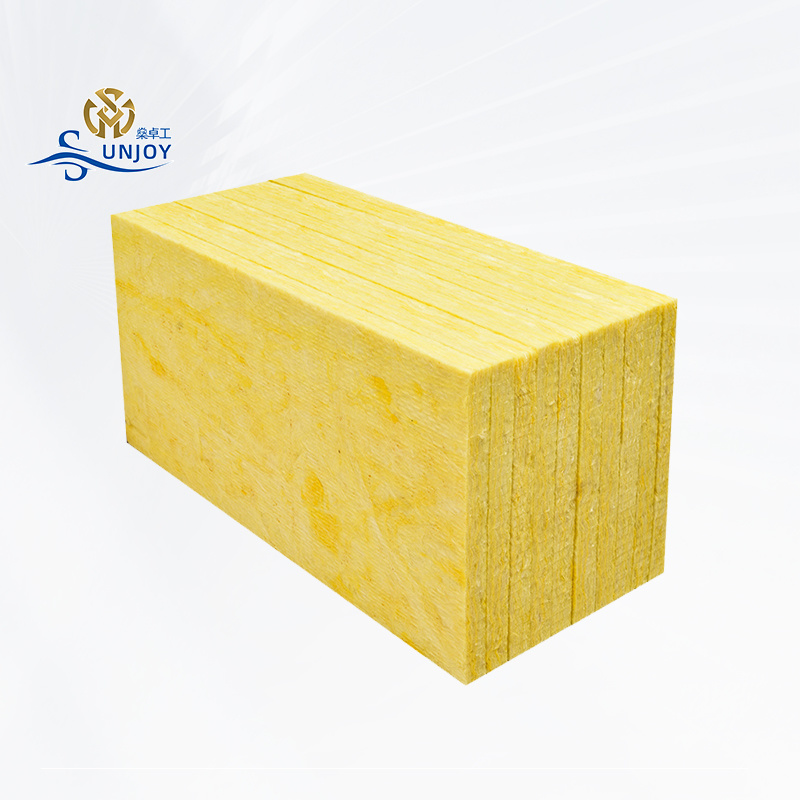
Introduction to Glass Wool Board in Modern Interiors
In the realm of interior design, the demand for materials that harmonize **aesthetic appeal** with **functional benefits** is ever-growing. Among these materials, **glass wool boards** have emerged as a popular choice for architects, designers, and homeowners alike. This article delves deep into the world of glass wool boards, exploring their unique characteristics, applications, and how they contribute to creating beautiful yet functional living spaces.
What is Glass Wool Board?
Glass wool boards are made from thin strands of glass fibers, which are bound together to form a rigid board. This innovative material is **lightweight**, **thermally efficient**, and has excellent **acoustic properties**. The versatility of glass wool boards makes them suitable for various applications, including insulation, soundproofing, and decorative finishes in modern interiors.
Composition and Manufacturing Process
The production of glass wool boards involves melting recycled glass at high temperatures and then spinning it into thin fibers. These fibers are then combined with a binder and formed into boards. The result is a material that not only meets the demands of modern design but also promotes **sustainability** by utilizing recycled materials.
Properties of Glass Wool Board
Understanding the properties of glass wool boards is crucial for anyone considering them for interior applications. Here are some key characteristics:
- Thermal Insulation: Glass wool boards offer excellent thermal insulation, making them ideal for energy-efficient building designs.
- Sound Absorption: The fibrous structure of glass wool provides superior sound absorption, enhancing acoustic comfort in residential and commercial spaces.
- Fire Resistance: Glass wool is non-combustible, providing an added layer of safety in building materials.
- Lightweight: Their lightweight nature makes glass wool boards easy to handle and install, reducing labor costs.
- Moisture Resistance: Glass wool boards do not absorb moisture, minimizing the risk of mold and mildew.
Applications of Glass Wool Board in Modern Interiors
The versatility of glass wool boards allows them to be utilized in various aspects of interior design. Here are some popular applications:
Insulation Solutions
Glass wool boards are commonly used as insulation material in walls, roofs, and floors. Their thermal properties help maintain comfortable indoor temperatures while reducing energy consumption.
Acoustic Treatments
In spaces where sound control is essential, such as offices, concert halls, and home theaters, glass wool boards can be strategically placed to absorb sound and reduce echo. They can be integrated into wall panels and ceiling systems, offering both aesthetic and functional benefits.
Architectural Features
Beyond functional applications, glass wool boards can also serve as striking architectural features. Designers can shape and finish these boards to create unique wall claddings, ceiling designs, and room dividers that elevate the overall aesthetic of a space.
Benefits of Using Glass Wool Board in Interior Design
The incorporation of glass wool boards in interior design offers numerous benefits that go beyond mere aesthetics.
Eco-Friendly Material
With an emphasis on sustainability in modern design, glass wool boards stand out as an eco-friendly option. Made from recycled glass, they contribute to reducing waste and promoting a circular economy.
Energy Efficiency
By providing superior thermal insulation, glass wool boards minimize energy consumption for heating and cooling, leading to lower utility bills and a reduced carbon footprint.
Design Flexibility
Available in various sizes and finishes, glass wool boards can be customized to fit specific design needs. Whether for residential or commercial projects, they offer immense design flexibility, allowing for creative expression.
Enhanced Indoor Air Quality
Glass wool does not release harmful volatile organic compounds (VOCs) into the air, promoting better indoor air quality. This is particularly important in environments where people spend significant amounts of time.
Choosing the Right Glass Wool Board for Your Project
Selecting the appropriate glass wool board for your interior design project requires careful consideration of various factors.
Thickness and Density
The thickness and density of glass wool boards can influence their thermal and acoustic performance. Thicker boards typically provide better insulation and sound absorption.
Finishes and Aesthetics
Available in different finishes, glass wool boards can be textured, painted, or covered with decorative fabrics. Choosing the right finish can enhance the visual appeal of your space while maintaining functionality.
Installation Considerations
Proper installation is critical for achieving the desired performance of glass wool boards. Hiring experienced professionals ensures that the boards are installed correctly, maximizing their benefits.
Future Trends in Glass Wool Board Usage
As the interior design industry evolves, so do the applications of glass wool boards. Here are some emerging trends to watch for:
Sustainable Innovations
The demand for sustainable materials continues to grow. Manufacturers are likely to focus on enhancing the eco-friendly aspects of glass wool boards, potentially incorporating even more recycled content.
Smart Glass Wool Boards
With the rise of smart building technology, glass wool boards may evolve to include integrated sensors that monitor temperature and humidity, providing real-time data to optimize indoor environments.
Integration with Modern Design Styles
As minimalist and biophilic design trends gain traction, glass wool boards can be adapted to fit these styles, offering sleek lines and natural aesthetics.
FAQs About Glass Wool Board
1. What are the key advantages of using glass wool boards over traditional insulation materials?
Glass wool boards provide superior thermal and acoustic performance, are lightweight, non-combustible, and eco-friendly, making them a preferred choice for modern interiors.
2. Can glass wool boards be painted or finished?
Yes, glass wool boards can be painted or covered with various finishes to enhance their aesthetic appeal while maintaining their functional properties.
3. Are glass wool boards safe for indoor use?
Yes, glass wool boards are safe for indoor environments as they do not emit harmful VOCs and are non-combustible.
4. How do I ensure proper installation of glass wool boards?
Hiring professional installers with experience in glass wool board applications is advisable to ensure optimal performance and longevity.
5. What is the lifespan of glass wool boards?
Glass wool boards are designed to last for many years, often exceeding the lifespan of traditional insulation materials, especially when installed correctly.
Conclusion
In conclusion, glass wool boards are a remarkable solution that embodies the intersection of **aesthetic appeal** and **functional benefits** in modern interior design. Their versatility, sustainability, and performance make them an invaluable resource for architects and designers looking to create beautiful, energy-efficient, and acoustically pleasant spaces. As we continue to embrace innovative materials and designs, glass wool boards will undoubtedly play a significant role in shaping the future of interior environments.
Contact Us
Company:Sunjoy Technology Co., Ltd.
General Manager: White Eric
Email: admin@sunjoy-rockwool.com
WhatsApp: +86 15202244515 +86 13602124815
Tel: +86 4009950775
Address: Room1701,Jin Fulin Building, Jinnan District,Tianjin,China

Follow us


CONTACT US
Company:Sunjoy Technology Co., Ltd.
Email: info@sunjoy-rockwool.com
WhatsApp: +86 15122861822
Tel: +86 4009950775
Factory Address:
Factory in Hebei: Dacheng Langfang City,Hebei Province,China.
Factory in YunNan: Yanfang Township,Zhanyi District,Qujing City,Yunnan Province,China.
Factory in JiangXi: Matou Town,Ruichang City,Jiujiang,Jiangxi Province.
Factory in XinJiang: Hutubi County,Changji Hui Autonomous Prefecture, Xinjiang Uygur Autonomous Region,China.