
The Impact of Glass Wool Boards on Heating and Cooling Efficiency: A Comprehensive Analysis
Nov 13,2026
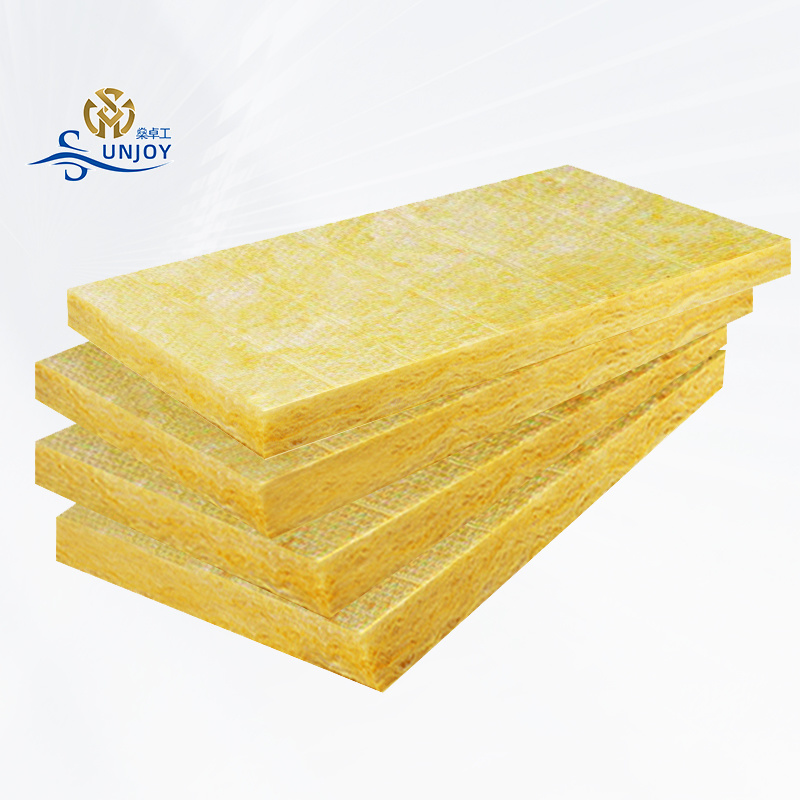
The Impact of Glass Wool Boards on Heating and Cooling Efficiency
Table of Contents
- 1. Introduction to Glass Wool Boards
- 2. Understanding Heating and Cooling Efficiency
- 3. The Role of Insulation in Energy Efficiency
- 4. Advantages of Glass Wool Boards
- 5. Thermal Performance Analysis of Glass Wool Boards
- 6. Comparing Glass Wool with Other Insulation Materials
- 7. Environmental Impact of Glass Wool Boards
- 8. Best Practices for Installation of Glass Wool Boards
- 9. Conclusion
- 10. Frequently Asked Questions
1. Introduction to Glass Wool Boards
Glass wool boards, a popular insulation material, have emerged as a crucial component in modern building practices. These boards are made from woven strands of glass, offering a lightweight solution that provides excellent thermal and acoustic insulation. As energy efficiency becomes increasingly important due to rising energy costs and environmental concerns, the application of glass wool boards in residential and commercial buildings has gained significant attention.
In this article, we will explore how glass wool boards impact heating and cooling efficiency, detailing their advantages, performance metrics, and best practices for installation.
2. Understanding Heating and Cooling Efficiency
Heating and cooling efficiency refers to the effectiveness with which a building’s HVAC (Heating, Ventilation, and Air Conditioning) system maintains a comfortable indoor environment. Key metrics include the energy consumption required to achieve desired temperature levels and how well a building retains heat during winter and cool air during summer.
The efficiency of heating and cooling systems directly influences energy bills and overall environmental impact. By improving insulation, we can reduce the workload on HVAC systems, leading to lower energy consumption and cost savings.
3. The Role of Insulation in Energy Efficiency
Insulation plays a vital role in enhancing energy efficiency. It acts as a barrier to heat flow, minimizing energy loss during cold seasons and reducing heat gain in warmer months. This is where glass wool boards excel.
By effectively insulating walls, ceilings, and floors, glass wool boards help maintain stable indoor temperatures, contributing to significant energy savings. The performance of these boards is measured in terms of their thermal resistance or R-value, which indicates their effectiveness in reducing heat transfer.
4. Advantages of Glass Wool Boards
Glass wool boards come with a myriad of advantages that make them an ideal choice for insulation:
4.1 Excellent Thermal Insulation
The primary benefit of glass wool boards is their superior thermal insulation properties. With a high R-value, they effectively reduce heat loss or gain, leading to improved energy efficiency.
4.2 Acoustic Performance
Beyond thermal insulation, glass wool boards also offer acoustic insulation benefits. They significantly reduce sound transmission, making them suitable for spaces requiring soundproofing, such as offices and theaters.
4.3 Fire Resistance
Glass wool is non-combustible, providing a degree of fire resistance that enhances the safety of buildings. This characteristic is crucial for compliance with building codes and regulations.
4.4 Lightweight and Easy to Handle
Compared to other insulation materials, glass wool boards are lightweight and easy to install. This feature simplifies the construction process and reduces labor costs.
4.5 Eco-Friendly Material
Glass wool boards are made from recycled glass, making them an environmentally friendly choice. Their production process uses less energy compared to many other insulation materials.
5. Thermal Performance Analysis of Glass Wool Boards
To accurately evaluate the impact of glass wool boards on heating and cooling efficiency, we need to look at their thermal performance.
5.1 R-Value Analysis
The R-value is a critical metric when it comes to assessing insulation. Glass wool boards typically have an R-value ranging from 3.1 to 4.3 per inch of thickness, depending on the density of the material. Higher R-values indicate better insulation properties, which directly improve heating and cooling efficiency.
5.2 Seasonal Energy Efficiency
Research indicates that buildings insulated with glass wool boards maintain more consistent temperatures throughout the year. During winter months, these boards significantly reduce heat loss, while in summer, they help keep indoor spaces cool by minimizing heat gain.
6. Comparing Glass Wool with Other Insulation Materials
When considering insulation options, it’s essential to compare glass wool boards with other commonly used materials, such as fiberglass, cellulose, and foam insulation.
6.1 Glass Wool vs. Fiberglass
While both materials are effective insulators, glass wool boards generally offer better soundproofing qualities and are easier to handle and install.
6.2 Glass Wool vs. Cellulose
Cellulose insulation is made from recycled paper and is known for its eco-friendliness. However, glass wool boards outperform cellulose in terms of moisture resistance and longevity.
6.3 Glass Wool vs. Foam Insulation
Foam insulation provides an excellent air seal and R-value but can be more expensive. Glass wool offers a more budget-friendly option while providing solid thermal and acoustic insulation.
7. Environmental Impact of Glass Wool Boards
The environmental impact of insulation materials is a growing concern. Glass wool boards are produced using recycled materials, which significantly reduces their carbon footprint. Additionally, their energy efficiency characteristics contribute to lower greenhouse gas emissions from HVAC systems.
7.1 Life Cycle Analysis
A life cycle analysis of glass wool boards shows that they have a lower environmental impact compared to traditional insulation materials. From production to disposal, their eco-friendly attributes make them a sustainable choice for modern construction.
8. Best Practices for Installation of Glass Wool Boards
Proper installation of glass wool boards is crucial to maximize their thermal and acoustic performance.
8.1 Preparation of the Space
Before installation, ensure that the area is clean and free of debris. Properly sealing gaps and cracks can enhance the effectiveness of the insulation.
8.2 Cutting and Handling
When cutting glass wool boards, use a sharp knife and wear protective gear. This will prevent irritation to the skin and respiratory system.
8.3 Installation Techniques
Ensure that boards fit snugly between studs and joists without gaps. This tight fit enhances thermal performance and minimizes potential air leaks.
9. Conclusion
In conclusion, glass wool boards play a pivotal role in enhancing heating and cooling efficiency in buildings. Their superior thermal properties, acoustic performance, and environmental benefits make them an excellent choice for insulation. As energy efficiency continues to be a key focus in the building industry, the adoption of glass wool boards is expected to rise, contributing to sustainable construction practices and energy savings.
10. Frequently Asked Questions
1. What is the R-value of glass wool boards?
The R-value of glass wool boards typically ranges from 3.1 to 4.3 per inch of thickness, depending on the board's density.
2. Are glass wool boards eco-friendly?
Yes, glass wool boards are made from recycled glass and have a lower environmental impact compared to traditional insulation materials.
3. Can glass wool boards be used for soundproofing?
Absolutely! Glass wool boards provide excellent sound insulation, making them suitable for spaces requiring soundproofing.
4. How should I install glass wool boards?
Ensure the installation area is clean, cut the boards to fit snugly between studs and joists, and handle them with care to avoid irritation.
5. What are the advantages of using glass wool boards over foam insulation?
Glass wool boards are generally more cost-effective, lightweight, and easier to handle compared to foam insulation, while still providing solid thermal and acoustic performance.
Contact Us
Company:Sunjoy Technology Co., Ltd.
General Manager: White Eric
Email: admin@sunjoy-rockwool.com
WhatsApp: +86 15202244515 +86 13602124815
Tel: +86 4009950775
Address: Room1701,Jin Fulin Building, Jinnan District,Tianjin,China

Follow us


CONTACT US
Company:Sunjoy Technology Co., Ltd.
Email: info@sunjoy-rockwool.com
WhatsApp: +86 15122861822
Tel: +86 4009950775
Factory Address:
Factory in Hebei: Dacheng Langfang City,Hebei Province,China.
Factory in YunNan: Yanfang Township,Zhanyi District,Qujing City,Yunnan Province,China.
Factory in JiangXi: Matou Town,Ruichang City,Jiujiang,Jiangxi Province.
Factory in XinJiang: Hutubi County,Changji Hui Autonomous Prefecture, Xinjiang Uygur Autonomous Region,China.