
The Environmental Benefits of Rock Wool Roof Insulation Explained
Nov 25,2026
The Environmental Benefits of Rock Wool Roof Insulation Explained
Introduction to Rock Wool Roof Insulation
Rock wool, also known as mineral wool or stone wool, is a versatile insulation material derived from natural volcanic rock or basalt. Its unique properties make it a favored choice in the construction industry, especially for roofing applications. This article delves into the environmental benefits of rock wool roof insulation, showcasing its role in promoting energy efficiency, sustainability, and overall ecological balance.
Understanding Rock Wool: Composition and Properties
Rock wool is manufactured by heating volcanic rock to extreme temperatures and then spinning the molten material into fine fibers. This process creates a lightweight, resilient material with several properties that make it ideal for insulation:
Fire Resistance
One of the standout characteristics of rock wool is its fire resistance. It can withstand temperatures up to 1,000 degrees Celsius (1,832 degrees Fahrenheit), making it an excellent choice for enhancing the fire safety of buildings.
Thermal Performance
Rock wool boasts superior thermal insulation properties. Its fibrous structure traps air, creating a barrier that minimizes heat transfer. This feature helps regulate indoor temperatures, reducing the need for heating and cooling systems, thus leading to lower energy consumption.
Sound Absorption
Rock wool insulation is not just for thermal performance; it also excels in sound absorption. This is particularly beneficial in urban environments where noise pollution can be a significant concern.
Moisture Resistance
Another critical aspect of rock wool is its moisture resistance. It does not absorb water, which prevents mold and mildew growth, ensuring a healthier indoor environment.
The Environmental Advantages of Rock Wool Roof Insulation
Investing in rock wool roof insulation offers numerous environmental benefits that contribute to a more sustainable future.
1. Energy Efficiency and Reduced Carbon Footprint
By enhancing a building's energy efficiency, rock wool insulation significantly reduces its carbon footprint. When a roof is adequately insulated, it minimizes the need for heating and cooling systems, leading to less energy consumption. According to studies, energy-efficient buildings can reduce energy use by up to 50%. This reduction translates into lower greenhouse gas emissions, contributing to climate change mitigation.
2. Sustainable Sourcing and Lifecycle Assessment
Rock wool is made from natural, abundant materials. Its production process is relatively energy-efficient compared to synthetic insulation materials. Furthermore, rock wool is recyclable, which reduces waste in landfills. When considering lifecycle assessments, rock wool's environmental impact is significantly lower than that of traditional insulation materials.
3. Enhanced Indoor Air Quality
Rock wool does not emit harmful substances or volatile organic compounds (VOCs), ensuring better indoor air quality. This aspect is crucial for residential and commercial buildings, as poor air quality can lead to various health issues. By selecting rock wool insulation, occupants can enjoy a safer and healthier indoor environment.
4. Durability and Longevity
The longevity of rock wool insulation enhances its environmental benefits. With a lifespan that can exceed 50 years, rock wool requires less frequent replacement compared to other insulation materials. This durability means fewer resources are consumed over time, further reducing environmental impact.
5. Contribution to Green Building Certifications
Buildings equipped with rock wool roof insulation can contribute points toward green building certifications, such as LEED (Leadership in Energy and Environmental Design). These certifications not only improve a building's marketability but also promote sustainable construction practices.
Applications of Rock Wool Roof Insulation
Rock wool insulation is versatile and can be utilized in various roofing systems.
1. Flat Roofs
Flat roofs often require effective insulation to prevent heat loss. Rock wool provides excellent thermal protection while being moisture-resistant, making it perfect for roofs with potential water pooling.
2. Pitched Roofs
For pitched roofs, rock wool insulation can be installed between rafters to enhance thermal performance without compromising aesthetics. Its lightweight nature ensures that it does not add excessive load to the structure.
3. Green Roofs
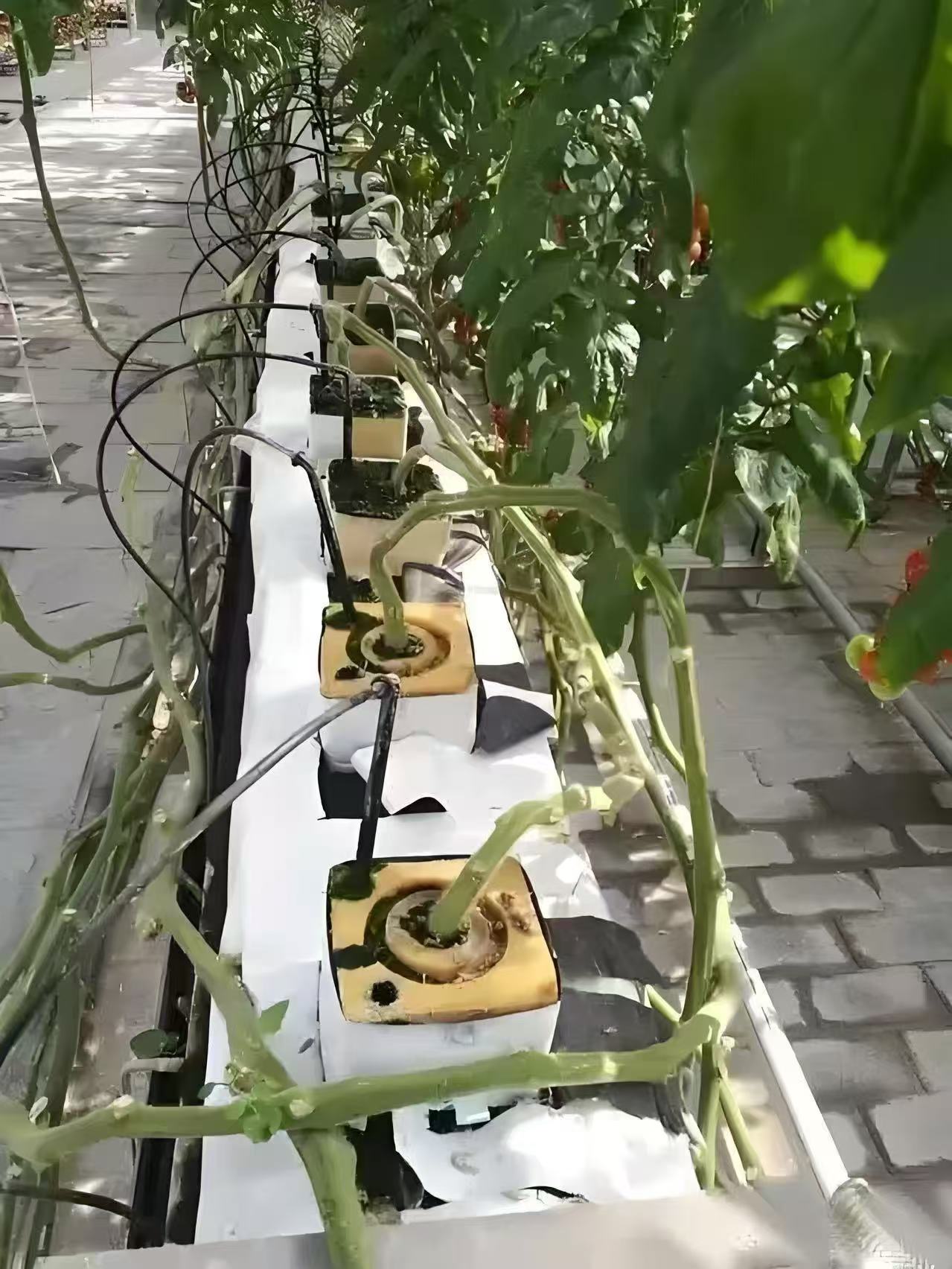
In green roofing systems, rock wool serves as a substrate that holds moisture and supports plant growth. It can help regulate temperature within the building while promoting biodiversity.
Installing Rock Wool Roof Insulation: Best Practices
Proper installation is crucial for maximizing the benefits of rock wool insulation.
1. Professional Installation
Hiring professionals experienced in rock wool installation ensures that the material is correctly applied, avoiding common issues such as gaps and compressions that can compromise insulation performance.
2. Safety Precautions
While rock wool is non-toxic, it is essential to wear protective gear during installation, including gloves and masks, to prevent irritation from the fibers.
3. Sealing Gaps for Maximum Efficiency
Ensure that all gaps and seams are properly sealed to prevent air leaks. This step is vital in maintaining the integrity of the insulation and enhancing energy efficiency.
Cost Considerations and Long-Term Savings
While rock wool insulation may appear to have a higher upfront cost compared to some alternatives, the long-term savings it offers make it a financially sound investment.
1. Initial Investment
The initial cost of rock wool insulation can vary based on thickness, density, and specific application needs. However, considering its durability and performance, the initial investment pays off over time.
2. Energy Bill Savings
Homeowners can expect to see a notable reduction in energy bills after installing rock wool insulation. The enhanced energy efficiency allows heating and cooling systems to work less, leading to considerable savings over the years.
3. Increased Property Value
Buildings with superior insulation, like rock wool, tend to have higher property values due to their energy efficiency and lower operational costs. This factor is increasingly important in a market that prioritizes sustainability.
FAQs about Rock Wool Roof Insulation
1. What is rock wool insulation made from?
Rock wool insulation is made from natural volcanic rock or basalt. It is processed at high temperatures to create fibers that provide excellent thermal and acoustic insulation.
2. Is rock wool insulation safe for indoor use?
Yes, rock wool insulation is non-toxic and does not emit harmful substances or VOCs, making it safe for use indoors.
3. How does rock wool insulation compare to fiberglass insulation?
Rock wool insulation offers superior fire resistance, sound absorption, and moisture resistance compared to fiberglass insulation. It also has a lower environmental impact due to its natural composition.
4. Can rock wool insulation help reduce noise pollution?
Yes, rock wool's unique fibrous structure effectively absorbs sound, making it an excellent choice for reducing noise pollution in residential and commercial buildings.
5. How long does rock wool insulation last?
Rock wool insulation has a lifespan of over 50 years when installed correctly, making it a durable option for long-term energy efficiency.
Conclusion
Rock wool roof insulation presents a wealth of environmental benefits, from enhancing energy efficiency and indoor air quality to promoting sustainability through its durable and recyclable nature. As we move toward a more eco-conscious world, the adoption of rock wool insulation in buildings can significantly contribute to reducing our ecological footprint. Its unique properties not only meet the demands of modern construction but also align with the goals of sustainable development, making it a smart choice for homeowners and builders alike. By prioritizing rock wool insulation, we take a vital step toward a greener future, ensuring that our buildings are not just structures but contributors to a healthier planet.
Contact Us
Company:Sunjoy Technology Co., Ltd.
General Manager: White Eric
Email: admin@sunjoy-rockwool.com
WhatsApp: +86 15202244515 +86 13602124815
Tel: +86 4009950775
Address: Room1701,Jin Fulin Building, Jinnan District,Tianjin,China

Follow us


CONTACT US
Company:Sunjoy Technology Co., Ltd.
Email: info@sunjoy-rockwool.com
WhatsApp: +86 15122861822
Tel: +86 4009950775
Factory Address:
Factory in Hebei: Dacheng Langfang City,Hebei Province,China.
Factory in YunNan: Yanfang Township,Zhanyi District,Qujing City,Yunnan Province,China.
Factory in JiangXi: Matou Town,Ruichang City,Jiujiang,Jiangxi Province.
Factory in XinJiang: Hutubi County,Changji Hui Autonomous Prefecture, Xinjiang Uygur Autonomous Region,China.