
Understanding XPS Sandwich Panels: A Comprehensive Guide for Professionals
Sep 19,2026
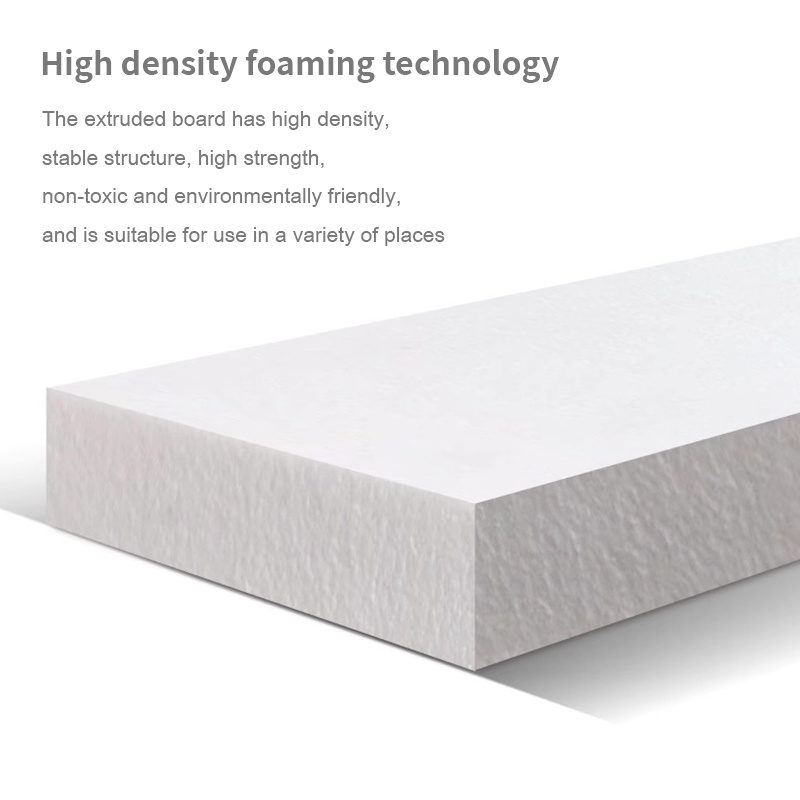
One of the key advantages of XPS sandwich panels is their excellent thermal insulation capability. The closed-cell structure of XPS provides a high thermal resistance (R-value), ensuring that buildings maintain stable indoor temperatures without excessive energy consumption for heating or cooling. This feature is particularly beneficial in energy-efficient building designs, contributing to sustainability by reducing overall energy use.
In addition to thermal insulation, XPS sandwich panels offer superior moisture resistance. This characteristic makes them ideal for areas prone to humidity, such as kitchens and bathrooms, as well as in regions with adverse weather conditions. The panels do not absorb water, which helps prevent mold growth and ensures the structural integrity of building components over time.
Another noteworthy benefit of XPS sandwich panels is their lightweight nature. Despite their robust construction, these panels are easy to handle and install, reducing labor costs and installation time. This is a crucial aspect for construction professionals looking to streamline their processes and improve project timelines without compromising quality.
Moreover, XPS sandwich panels provide excellent sound insulation. This feature is particularly valued in residential and commercial applications where noise reduction is a priority. The combination of XPS core and the outer facings helps to dampen sound transmission, creating quieter living and working environments.
In terms of versatility, XPS sandwich panels can be tailored to meet specific design requirements. They are available in various thicknesses, lengths, and facing materials, allowing for customization to match aesthetic and functional needs. This adaptability makes them suitable for a wide range of applications, including interior partitions, exterior wall cladding, and ceiling systems.
Lastly, the durability of XPS sandwich panels is worth noting. They are resistant to chemical damage, pests, and physical impact, ensuring a long lifespan with minimal maintenance. This durability translates into cost savings over time, making them a prudent choice for construction projects aiming for longevity and reliability.
In summary, XPS sandwich panels are an innovative solution for architects, builders, and designers looking to enhance their projects with efficient, durable, and environmentally friendly materials. Their combination of thermal insulation, moisture resistance, lightweight construction, soundproofing capabilities, and versatility makes them an excellent addition to modern building practices.
Contact Us
Company:Sunjoy Technology Co., Ltd.
General Manager: White Eric
Email: admin@sunjoy-rockwool.com
WhatsApp: +86 15202244515 +86 13602124815
Tel: +86 4009950775
Address: Room1701,Jin Fulin Building, Jinnan District,Tianjin,China

Follow us


CONTACT US
Company:Sunjoy Technology Co., Ltd.
Email: info@sunjoy-rockwool.com
WhatsApp: +86 15122861822
Tel: +86 4009950775
Factory Address:
Factory in Hebei: Dacheng Langfang City,Hebei Province,China.
Factory in YunNan: Yanfang Township,Zhanyi District,Qujing City,Yunnan Province,China.
Factory in JiangXi: Matou Town,Ruichang City,Jiujiang,Jiangxi Province.
Factory in XinJiang: Hutubi County,Changji Hui Autonomous Prefecture, Xinjiang Uygur Autonomous Region,China.