
The Role of Ceramic Fiber Board Insulation in Advancing Glass and Ceramic Equipment
Sep 22,2026
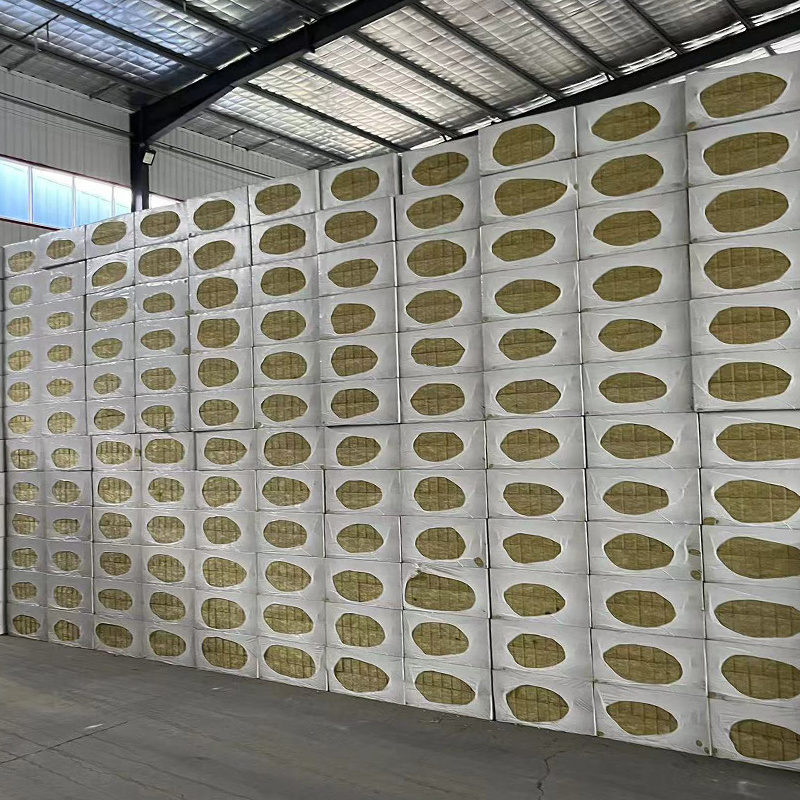
The Role of Ceramic Fiber Board Insulation in Advancing Glass and Ceramic Equipment
Table of Contents
- Introduction to Ceramic Fiber Board Insulation
- What is Ceramic Fiber Board Insulation?
- The Importance of Insulation in Glass and Ceramic Equipment
- Benefits of Using Ceramic Fiber Board Insulation
- Applications of Ceramic Fiber Board in the Industry
- Installation and Maintenance of Ceramic Fiber Board Insulation
- Future Trends in Insulation Technology for Glass and Ceramics
- Conclusion
- Frequently Asked Questions
Introduction to Ceramic Fiber Board Insulation
Ceramic fiber board insulation has emerged as a crucial component in advancing the efficiency and performance of glass and ceramic manufacturing equipment. As industries push for greater productivity and sustainability, the demand for innovative insulation solutions has soared. This article delves into the significance of ceramic fiber board insulation, its benefits, applications, and future trends within the glass and ceramics sector.
What is Ceramic Fiber Board Insulation?
Ceramic fiber board insulation is a high-temperature insulation material made from aluminosilicate fibers. This lightweight and durable board is designed to withstand extreme temperatures while providing excellent thermal insulation and energy efficiency. Unlike traditional insulation materials, ceramic fiber boards are non-combustible, chemically stable, and resistant to thermal shock, making them ideal for applications in the glass and ceramics industry.
Composition and Properties
The unique composition of ceramic fiber boards is what sets them apart. These boards typically contain a blend of silica and alumina fibers, which provide superior insulation characteristics. Key properties include:
- **High thermal resistance**: Capable of withstanding temperatures up to 2300°F (1260°C).
- **Low thermal conductivity**: Minimizes heat loss, ensuring efficient operation.
- **Lightweight**: Facilitates easy handling and installation.
- **Non-combustible**: Enhances safety in high-temperature environments.
- **Chemically inert**: Prevents reactions with other materials.
The Importance of Insulation in Glass and Ceramic Equipment
In the glass and ceramics manufacturing process, insulation plays a pivotal role. Efficient thermal management is crucial for maintaining optimal processing temperatures, reducing energy consumption, and extending the lifespan of equipment. Without effective insulation, manufacturers face challenges such as excessive heat loss, increased energy costs, and inferior product quality.
Energy Efficiency and Cost Savings
Implementing ceramic fiber board insulation can lead to significant energy savings. By minimizing heat loss, manufacturers can reduce their overall energy consumption, resulting in lower operational costs. This is especially important in high-energy industries like glass and ceramics, where kilowatt-hours can quickly add up.
Enhancing Product Quality
Maintaining consistent processing temperatures is essential for producing high-quality glass and ceramic products. Effective insulation prevents temperature fluctuations that can lead to defects, ensuring that products meet stringent industry standards.
Benefits of Using Ceramic Fiber Board Insulation
The advantages of ceramic fiber board insulation extend beyond energy savings and enhanced quality. Here are several key benefits:
1. Superior Thermal Performance
Ceramic fiber boards provide exceptional thermal insulation, allowing manufacturers to operate at higher temperatures without compromising energy efficiency. This feature is vital for processes like glass melting and ceramic firing.
2. Lightweight and Easy to Install
The lightweight nature of ceramic fiber boards simplifies handling and installation. This reduces labor costs and minimizes downtime during installation, allowing for quicker project completions.
3. Versatility in Applications
Ceramic fiber board insulation is versatile and can be used in a variety of applications within the glass and ceramics industry, including furnaces, kilns, and other high-temperature equipment.
4. Sustainable Solution
As sustainability becomes a priority for many manufacturers, ceramic fiber insulation offers a more eco-friendly option. Its longevity and energy efficiency contribute to reduced carbon footprints and less waste.
5. Safety and Compliance
Non-combustible properties ensure that ceramic fiber boards meet safety standards, providing peace of mind for operators and compliance with industry regulations.
Applications of Ceramic Fiber Board in the Industry
Ceramic fiber board insulation is utilized in various applications throughout the glass and ceramics industry.
1. Glass Furnaces
In glass manufacturing, furnaces operate at extreme temperatures, necessitating effective insulation to retain heat. Ceramic fiber boards are used to line the furnace walls, minimizing heat loss and improving energy efficiency.
2. Kilns for Ceramic Firing
Ceramic kilns require reliable insulation to achieve consistent firing temperatures. Ceramic fiber boards help maintain these temperatures, ensuring optimal results in the final product.
3. Industrial Ovens
In industrial settings, ovens used for drying and curing also benefit from ceramic fiber board insulation. Improved thermal performance reduces energy consumption and enhances operational efficiency.
4. Heat Shields
Ceramic fiber boards are effective heat shields, protecting sensitive equipment and components from excessive heat exposure in various manufacturing processes.
5. Pipe Insulation
In addition to equipment insulation, ceramic fiber boards can be used to insulate pipes carrying hot gases or fluids, reducing heat loss and improving energy management.
Installation and Maintenance of Ceramic Fiber Board Insulation
Proper installation and maintenance are critical to maximizing the benefits of ceramic fiber board insulation.
1. Installation Process
The installation of ceramic fiber boards involves several steps:
- **Preparation**: Ensure that surfaces are clean and free from debris.
- **Cutting**: Measure and cut boards to fit the specific application. A sharp utility knife or saw is recommended.
- **Attachment**: Use appropriate adhesives or mechanical fasteners to secure the boards in place.
- **Sealing**: Seal joints and edges to prevent air leaks and ensure optimal insulation performance.
2. Maintenance Tips
To maintain the effectiveness of ceramic fiber board insulation, consider the following:
- **Regular Inspections**: Check for signs of wear, damage, or contamination.
- **Cleaning**: Keep the boards clean and free from foreign materials that could compromise performance.
- **Replacements**: Replace damaged boards promptly to ensure continuous insulation performance.
Future Trends in Insulation Technology for Glass and Ceramics
As the glass and ceramics industry evolves, so too does the technology behind insulation materials.
1. Advanced Composite Materials
Research is ongoing into advanced composite insulation materials that combine the benefits of ceramic fibers with other innovative materials to enhance thermal performance and sustainability.
2. Smart Insulation Solutions
Smart insulation technologies that integrate sensors and automation are emerging, allowing for real-time monitoring of temperature and energy use, leading to improved efficiency and predictive maintenance.
3. Enhanced Environmental Standards
As industries face stricter environmental regulations, the development of eco-friendly insulation materials will become a priority, focusing on recyclability and minimal environmental impact.
4. Improved Manufacturing Techniques
Advancements in manufacturing techniques will allow for the production of more efficient and effective ceramic fiber boards, further enhancing their performance and applicability.
Conclusion
In conclusion, ceramic fiber board insulation is a vital element in advancing glass and ceramic equipment, offering unparalleled thermal performance, energy efficiency, and safety. Its diverse applications and benefits make it an indispensable choice for manufacturers looking to enhance productivity while minimizing their environmental footprint. As the industry continues to innovate, the role of ceramic fiber board insulation will undoubtedly expand, leading to even more efficient and sustainable manufacturing processes.
Frequently Asked Questions
1. What is ceramic fiber board insulation made of?
Ceramic fiber board insulation is primarily made from aluminosilicate fibers, which provide excellent thermal resistance and durability.
2. How does ceramic fiber board insulation improve energy efficiency?
By minimizing heat loss during high-temperature processes, ceramic fiber board insulation helps reduce overall energy consumption, leading to cost savings.
3. Can ceramic fiber boards be used in outdoor applications?
While they are designed for high-temperature environments, ceramic fiber boards may not be suitable for direct exposure to outdoor elements without proper protective measures.
4. How do I install ceramic fiber board insulation?
The installation process involves preparing the surface, cutting the boards to size, attaching them securely, and sealing joints to ensure optimal performance.
5. What are the maintenance requirements for ceramic fiber board insulation?
Regular inspections, cleaning, and prompt replacement of damaged boards are crucial for maintaining insulation effectiveness.
This comprehensive overview of ceramic fiber board insulation underscores its significance in the glass and ceramics industry, highlighting its benefits, applications, and future potential.
Contact Us
Company:Sunjoy Technology Co., Ltd.
General Manager: White Eric
Email: admin@sunjoy-rockwool.com
WhatsApp: +86 15202244515 +86 13602124815
Tel: +86 4009950775
Address: Room1701,Jin Fulin Building, Jinnan District,Tianjin,China

Follow us


CONTACT US
Company:Sunjoy Technology Co., Ltd.
Email: info@sunjoy-rockwool.com
WhatsApp: +86 15122861822
Tel: +86 4009950775
Factory Address:
Factory in Hebei: Dacheng Langfang City,Hebei Province,China.
Factory in YunNan: Yanfang Township,Zhanyi District,Qujing City,Yunnan Province,China.
Factory in JiangXi: Matou Town,Ruichang City,Jiujiang,Jiangxi Province.
Factory in XinJiang: Hutubi County,Changji Hui Autonomous Prefecture, Xinjiang Uygur Autonomous Region,China.